
Why this comparison matters
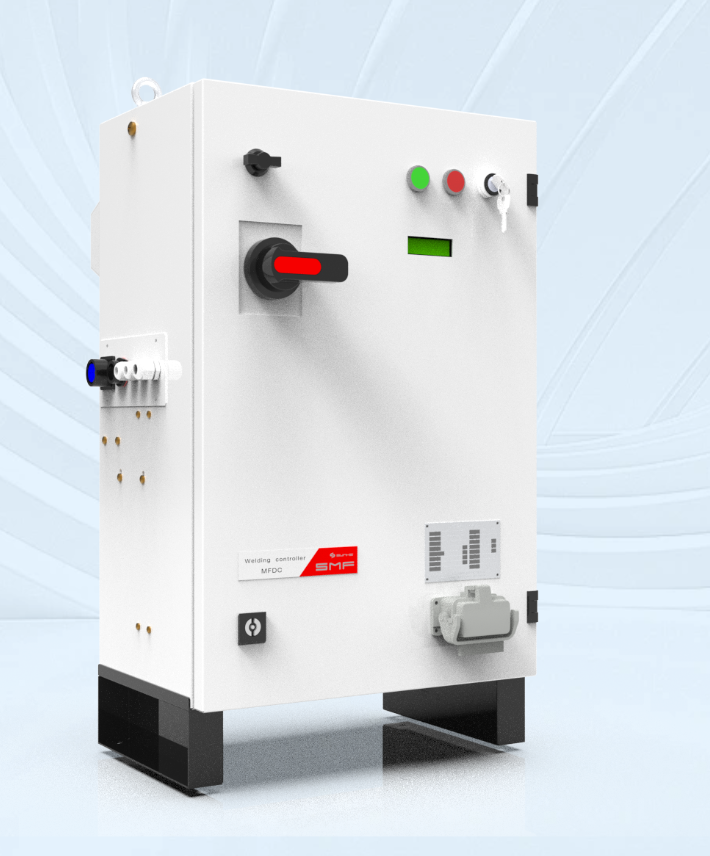
You’re buying a welding cell, not a mystery box, so here’s the blunt comparison that helps you pick: transformers set the current, controllers steer the timing, electrodes make contact — and each one changes the result. If you want practical, shop-floor answers rather than marketing fluff, look at how a given transformer, controller, and electrode combo performs together; start by scanning real-world catalogs for resistance welding solutions and then test on your parts. This isn’t theoretical tinkering — it’s the same decision cycle I see in Detroit automotive plants when teams trade cycle time for weld integrity on the line.
Benefits: what each component brings to the table
– Transformers: deliver stable, high short-duration currents; larger cores reduce voltage drop and improve repeatability. – Controllers: handle timing, current shaping, and feedback loops; modern digital controllers give repeatable, documented welds and quick diagnostics. – Electrodes: control contact geometry and heat sink; the right cap and tip material dramatically cut reject rates. Together they let you tune speed, energy, and consistency; that’s why welding engineers lean on combinations rather than single-component upgrades.
Trade-offs: what you trade for gains
– Bigger transformers mean higher up-front cost and heavier equipment, but fewer thermal derates under long runs. – Advanced controllers add complexity and require calibration and operator familiarity — set them wrong and you mask problems. – Exotic electrode materials extend life but raise consumable cost and sometimes worsen contact for thin, plated parts. You’ll juggle capital, operator skill, and consumable expense. Picking the fanciest controller won’t fix a worn electrode or an undersized transformer.
Practical limits: when the system can’t compensate
There are hard stops: material thinning, inconsistent joint fit-up, and unpredictable surface contamination. No controller will cure a gap or bad surface contact; electrodes need proper force and geometry, and transformers must deliver the required short-circuit current. Also consider plant constraints: space, cooling capacity, and mains stability all limit what you can run reliably. For a grounded picture of available configurations and verified specs, compare manufacturers of resistance welding systems and match specs to your part geometry and cycle demands — that prevents costly mismatches.
How to choose: practical, side-by-side checks
Run these quick comparisons before you buy: – Match transformer VA and short-circuit current to the heaviest part you’ll weld; test the worst-case joint. – Insist on controllers with waveform capture and export; those save hours diagnosing drift. – Evaluate electrode life under real clamping force and plating conditions; don’t trust lab numbers alone. Common mistakes: buying oversized equipment to “future-proof” without a clear parts plan, relying solely on factory presets, or skipping force-sensing checks. Those choices cost more than the equipment itself.
Final take: pragmatic value from tested combos
Pick components that solve the specific welding challenge you face rather than chasing specs. A balanced transformer that supplies the right current, a controller your crew understands, and electrodes matched to the part usually outperform the flashiest standalone pieces. That practical mindset is what shops with repeatable cycles and low rejects use, and it’s the same kind of straightforward outcome you get when engineering meets field-proven design from Sunke.