
Introduction — a shop scene, some numbers, one question
One morning in a small Thai shop, I watched two operators trade places around a machine, both looking tired but hopeful. A double spindle CNC machine was running, but not full speed; I estimate many small shops live with 20–30% wasted cycle time each week (so much lost margin). We feel this—frustration, urgency, and curiosity—so we ask: how do we get more parts out with same floor space and same team?
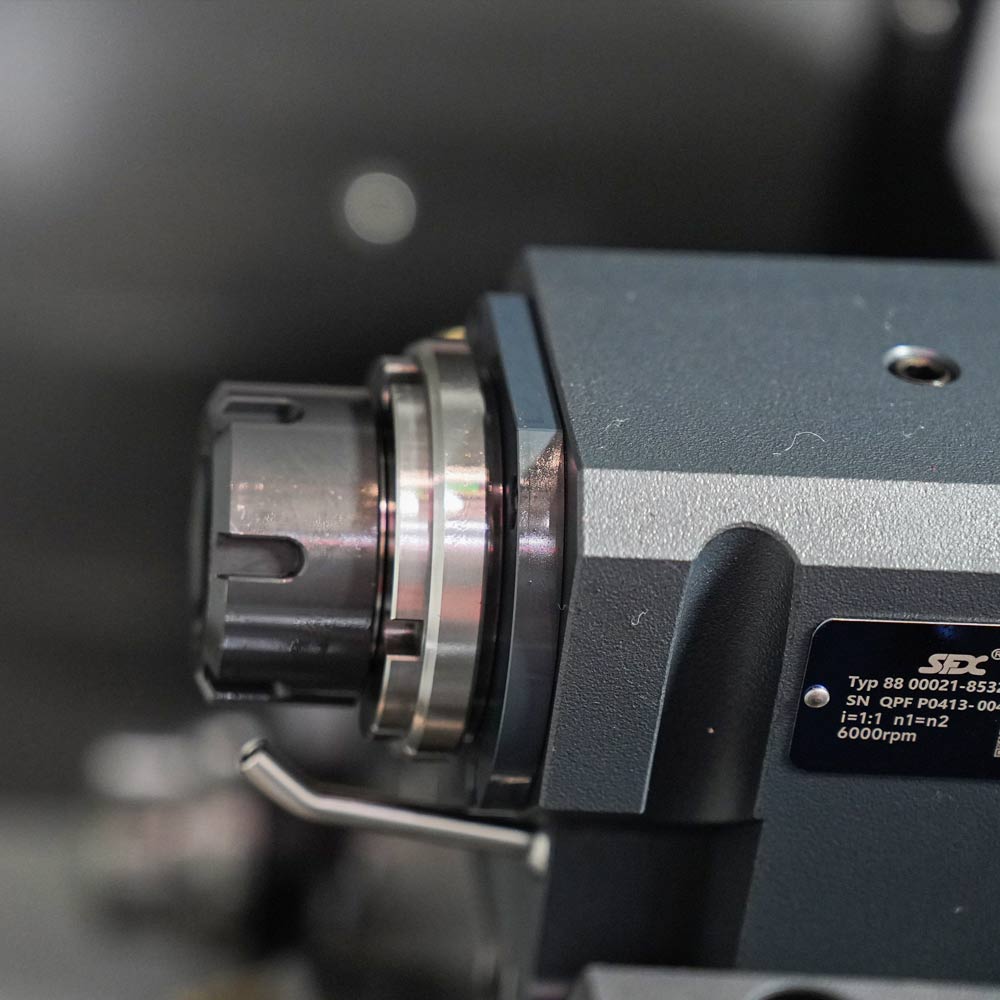
This is not just story. Studies and conversations with shop owners point to repeatable causes: tooling swaps, spindle synchronization slip-ups, and Y-axis drift are common. I want to share practical, human-tested ideas that helped us, not just theory. We will look at root problems, show why quick fixes fail, and then point to choices that actually change throughput (no magic, just method). Ready? Let’s go deeper into what really matters next.
Why common fixes often fail: deeper technical look
When shops buy a cnc double spindle machine, they usually expect straightforward gains: two spindles, double output. But reality bites. Many traditional fixes treat symptoms, not causes. For example, people tighten cycle parameters on the CNC controller and expect throughput—but if spindle synchronization is unstable, one spindle waits while the other races, creating micro-stops that add minutes per shift. Similarly, under-specified power converters produce voltage sag under heavy cutting, which trips servo turret responses and ruins surface finish. Add to that poor Y-axis calibration and you get more scrap than parts. These are technical, yes, but also human mistakes—buying speed without matching systems.
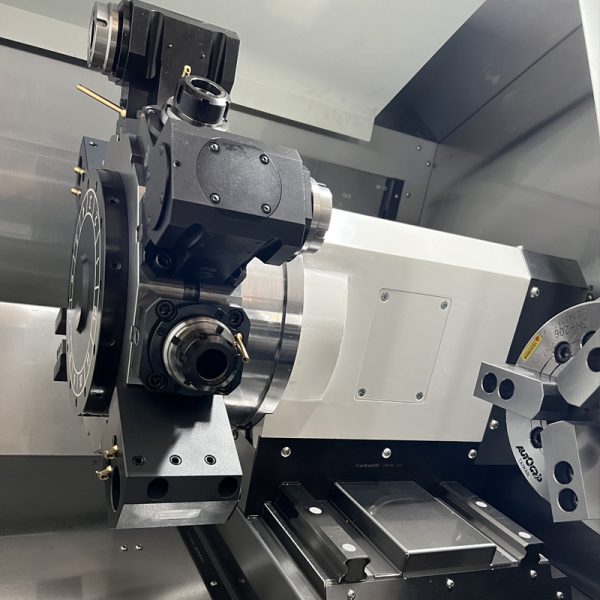
What’s the hidden user pain?
Look, it’s simpler than you think: operators tolerate slow cycles because they lack reliable feedback. They adjust feeds by feel. They live with frequent tool offsets. Edge computing nodes or retrofitted sensors are rarely prioritized, so predictive flags never appear. The pain is not just machine downtime; it’s unpredictable quality, lost customer trust, and extra labor. I’ve seen shops spend on new tooling while ignoring spindle alignment—funny how that works, right? Fixing process control (balanced torque, spindle synchronization, proper servo tuning) stops the leak. Then productivity gains become real and repeatable.
Future outlook — case example and comparative choices
Looking ahead, I expect adoption of smarter monitoring and tighter integration between control systems. Some cnc turn mill center manufacturers are already embedding edge computing nodes and better power converters into their machines to reduce those micro-stops and to improve energy efficiency. In one case I worked on, adding a simple vibration-sensing retrofit plus updated spindle synchronization logic dropped cycle variance by 18% within a month. That mattered more than a faster spindle alone, because consistent cycle time beats occasional bursts.
What’s Next — three metrics to choose wisely
If you evaluate solutions now, consider these three metrics I use every time: 1) Effective Cycle Consistency — measure standard deviation of cycle time before/after. 2) True Uptime (% productive time) — not just power-on hours, but cutting time. 3) Quality Yield per Shift — how many parts meet spec without rework. Prioritize systems that improve these, not just those that promise higher peak RPM. I believe in practical wins: invest in control stability, proper servo turret tuning, and sensor feedback first—then chase raw speed. — this is how I choose upgrades for our shop.
In closing, I’ve worked with teams that were nervous to change. We walked step-by-step, tested small, then scaled. The result: lower scrap, happier operators, and more reliable delivery. If you want a partner who understands those trade-offs, check Leichman — they make tools and advice that match real shop needs.