
Opening the framework: why structure matters
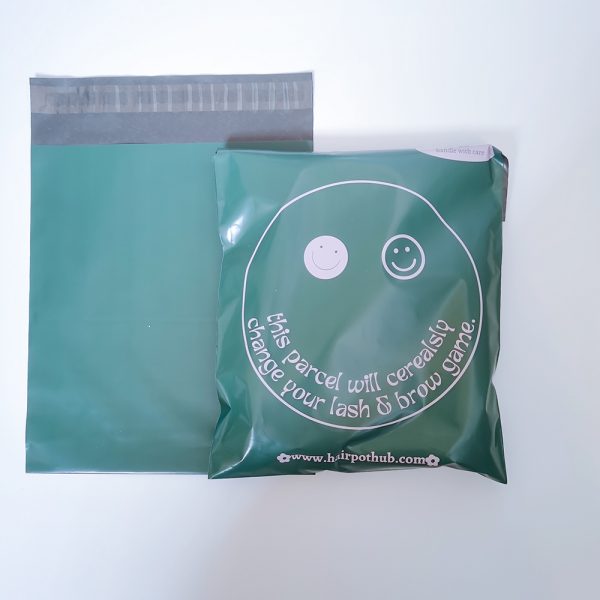
Brands moving from conventional packaging to circular options need a clear, step-by-step playbook — otherwise decisions get costly and slow. This framework lays out practical stages you can follow when switching to sustainable mailers, from material choice to testing and supplier alignment. For hands-on options and visual references, consider samples of colored poly mailers as a starting point when you assess finishes and print quality. Policy shifts — think the EU Circular Economy Action Plan and the UK Plastic Packaging Tax — have made this transition urgent for many exporters and D2C sellers, so a systems view helps you move cleanly rather than patching later.
What this framework covers
This is a five-stage framework you can apply in-house or with a sourcing partner: 1) baseline audit, 2) materials & spec selection, 3) design-for-recycling, 4) lab testing & certification, and 5) scale & measurement. Each stage includes decision checkpoints and common failure modes, so you don’t waste tooling budget or create non-recyclable hybrids that confuse municipal streams. The approach is pragmatic — not perfect, but repeatable — and it’s built for brands that need to balance sustainability and supply realities.
Stage 1 — Baseline audit: understand your current footprint
Start by documenting what you ship now: film type (LDPE, for instance), mailer weights, print area, and how customers dispose of packaging. Pull basic metrics: average parcel weight, volumes per month, and returns rate. That data helps you model total cost of ownership and the carbon upside of switching to post-consumer recycled (PCR) material or a biodegradable film. If you skip this step, you’ll guess — and that’s where projects stall.
Stage 2 — Material and specification choices
Materials are the core technical trade-off. Options typically include recycled LDPE, mono-polyolefin films designed for mechanical recycling, and certified compostable polymers. Each has pros and cons: recycled LDPE preserves existing recycling streams and is usually cheaper; mono-material films can be more recyclable if local MRFs accept them; compostable films need industrial composting infrastructure to actually biodegrade.
Important specs to define: film thickness (gsm), lamination layers, acceptable oxygen transmission rate (OTR) if you ship sensitive goods, and compatible adhesives for peel-and-seal. If you plan color or special finishes, test print adhesion early — ink and varnish choices change recyclability. For visual planning, sample a run of custom color poly mailers to verify color fastness and opacity.
Stage 3 — Design for recycling and end-of-life clarity
Design rules should be simple: use mono-material constructions where possible, avoid mixed-metal zippers or multi-layer laminates that break recyclability, and keep labels minimal or printable directly on the film. Label your mailer clearly — “Recycle where accepted” or “Industrial composting required” — based on test results and certification. Clear consumer instructions reduce contamination in recycling streams, which is often the difference between a recyclable product and one that ends up incinerated.
Stage 4 — Testing, certification and supplier alignment
Require hard evidence, not just claims. Typical tests and standards to request include recyclability assessments, mechanical-recycling compatibility reports, and, if applicable, compostability certifications such as EN 13432 or ASTM D6400. Do sample-stage trials on your actual packing line to check seal integrity and print durability — and don’t forget abrasion tests if items rub in transit. Align with suppliers on acceptance criteria up front so you avoid disputes at first-article inspection.
Stage 5 — Scale, monitoring and continuous improvement
After pilot runs, scale cautiously: review supplier lead times, MOQ, and logistics impact. Track KPIs monthly: percent of mailers accepted in local recycling streams, returns due to packaging failure, and unit cost including any premium for PCR content. Use these metrics to iterate on film weight and print coverage — small changes can yield big improvements in recyclability and cost. —
Common mistakes and how to sidestep them
Brands often fall into the same traps: greenwashing claims without verification, choosing multi-material laminates that sound premium but can’t be recycled, and ignoring local recycling infrastructure when designing packaging. Avoid these by insisting on lab reports, checking municipal acceptance, and prioritizing mono-material design when you want clear circular outcomes.
Supply and cost considerations in practice
Expect trade-offs: PCR content usually increases unit cost slightly but lowers embodied carbon. Compostable polymers can be more expensive and require access to industrial composting — not every market has that infrastructure. Also factor in tooling, printing plates, and any new adhesive systems. Model total cost of ownership (TCO), not unit price alone, and include freight, returns handling, and potential differential disposal fees in target markets.
Quick decision checklist
- Have you audited current packaging volumes and routes?
- Is your chosen film mono-material and compatible with local recycling?
- Do you have lab reports for recyclability or compostability?
- Has the design been tested on your packing line for seal and print durability?
- Are costs modeled as TCO, including logistics and potential taxes?
- Does your supplier offer traceability and batch QA for PCR content?
Advisory: three golden rules for selecting the right mailer solution
1) Measure recyclability first — insist on independent testing and align the mailer to the most common end-of-life stream in your biggest market. 2) Prioritize mono-materials and keep print/adhesive systems simple so mechanical recycling remains possible; complexity often breaks the loop. 3) Use TCO as your decision metric — include tooling, freight, potential compliance costs, and the carbon upside to justify any premium.
When you need a partner who can provide tested material options, consistent production, and pragmatic advice on meeting regulatory expectations, a supplier experienced in both colored finishes and sustainable film construction becomes invaluable — and that’s the kind of practical support WH Packing brings to the table.
Think system-first — not just prettier packaging. —