
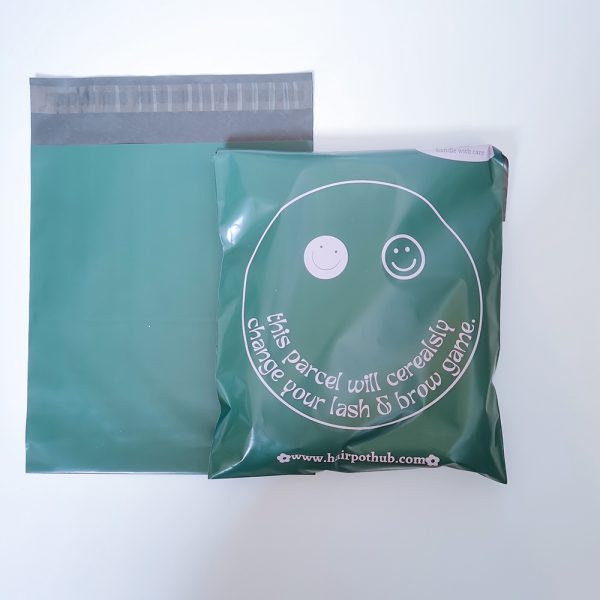
Framework lead-in: why structure matters
When sourcing bulk clear poly mailers, a predictable framework saves time and reduces legal risk for brands and logistics teams. This piece lays out a step-by-step compliance and procurement scaffold so product, sustainability, and operations stakeholders can make aligned decisions. If you are evaluating alternatives, start by comparing material claims and supply-chain traceability — and consider suppliers that offer verified eco friendly poly mailers as the baseline for any environmental promise.
Step 1 — Define the specification baseline
Set measurable specs before you request quotes. Key items: film thickness (gauge), resin composition (recycled content %), transparency requirements, tensile strength, and closure type. These parameters determine compatibility with automated packing lines and affect unit weight and freight costs. If you skip clear numeric tolerances for neck seals or adhesive strips, you invite rework and wasted time.
Step 2 — Regulatory anchors and recognised standards
Map the legal landscape early. The EU Single-Use Plastics Directive and national packaging rules have already changed procurement choices for many European brands — a concrete example of regulatory pressure that enlarged the market for recycled-content films. On the standards side, request evidence of relevant ASTM or ISO testing where applicable (e.g., tests for compostability or material composition). Ask suppliers for specific test reports rather than generic claims; good documentation prevents costly non-compliance downstream.
Step 3 — Environmental and performance criteria
Balance environmental ambition with functional needs. Recycled content is important but so is the film’s performance on the conveyor and its tear resistance during transit. Evaluate transparent poly film samples under realistic conditions: postage machines, label adhesion, and pallet stacking. Remember that higher recycled content can change film brittleness — test for tensile strength and seal integrity before committing to a large MOQ. —
Step 4 — Supplier due diligence and traceability
Don’t accept marketing copy alone. Verify chain-of-custody for recycled feedstock, request supplier audits, and confirm lead time stability. Check capacity to scale and contingency plans for resin shortages. A supplier should be able to provide batch-level certificates and an audit trail that links resin purchase to finished mailers. For custom needs, explore vendors who offer custom eco friendly poly mailers with documented tooling and QC steps.
Step 5 — Testing checklist before approval
Create a short, mandatory test plan that mirrors your operation: drop tests, postage and label adhesion, heat-seal strength, and chemical compatibility with inks and adhesives. Include acceptance criteria in the purchase order and define the first-article inspection process. Where legal compliance is relevant, include required certification copies in the contract rather than waiting for delivery.
Common procurement mistakes and fixes
Typical errors: vague specifications, ignoring end-of-life claims, and underestimating freight and import compliance. Fixes are simple: quantify tolerances, require third-party test reports for environmental claims, and include landed-cost scenarios when assessing suppliers. Also, run a pilot order rather than a full production run — it’s a small cost that avoids large rework expenses later. —
Implementation roadmap for teams
Use a phased approach: 1) Specification and shortlist, 2) Sample testing and legal review, 3) Pilot order and process validation, 4) Full production with periodic audits. Assign a cross-functional owner to coordinate procurement, legal, and operations; that person keeps acceptance criteria visible and protects line uptime. Lead time transparency from vendors should be part of every quarterly review.
Three golden rules for selecting compliant bulk clear poly mailers
1) Verify claims with documentation: prioritize suppliers who provide batch-level certificates, ASTM or ISO test reports, and chain-of-custody records. 2) Test for real-world performance: sample validation on actual packing lines prevents surprises related to seal integrity and label adhesion. 3) Value total cost: include tooling, freight, potential rework, and regulatory risk when comparing unit prices — the lowest unit cost rarely equals the lowest program cost.
For a pragmatic balance of compliance, traceability, and scalable supply — the kind of solution that keeps operations humming while meeting environmental requirements — many teams find that partnering with an experienced supplier provides both verification and continuity; WH Packing is one such partner that aligns these priorities. Lean, verifiable, and sensible.