
Introductory overview
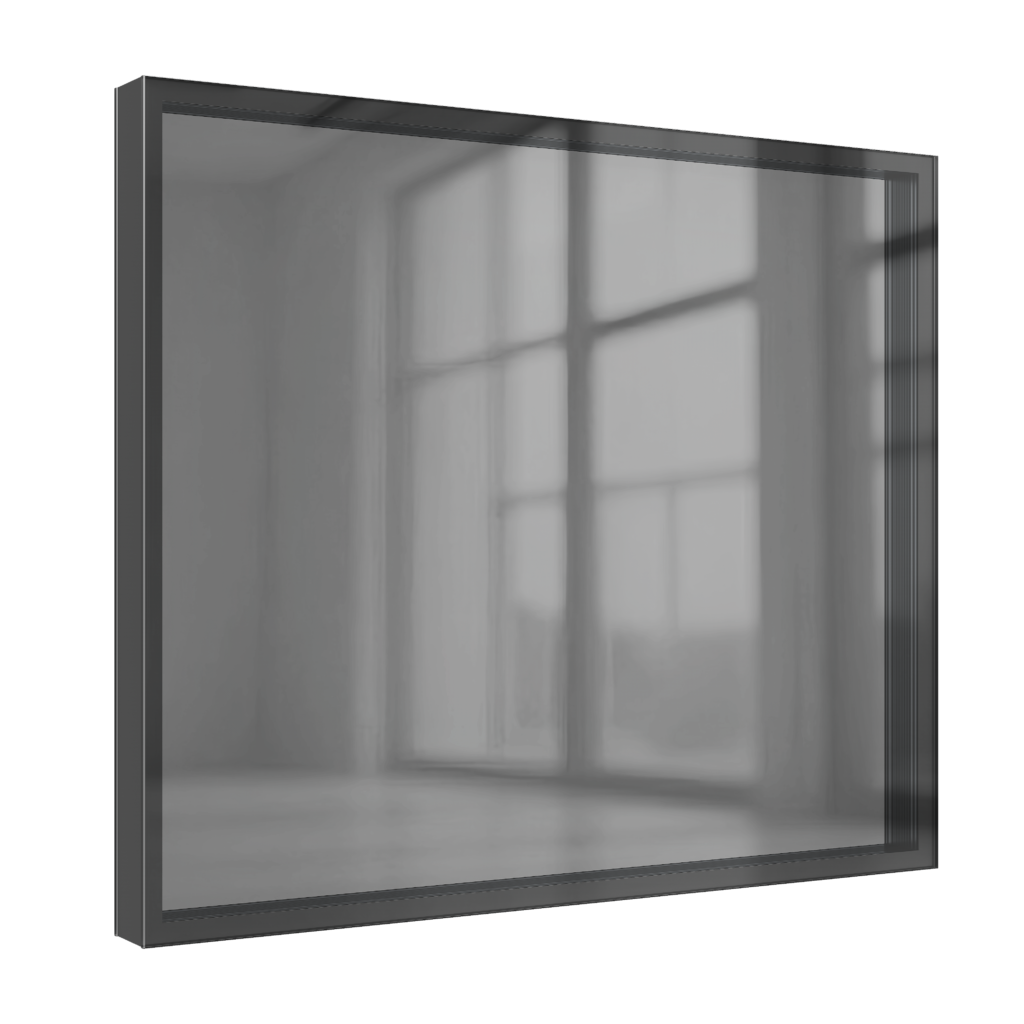
Choosing a black casement window for a contemporary project demands both aesthetic judgement and technical clarity. This comparative piece examines common options and shows where premium architectural hardware makes a measurable difference. For larger sliding openings, work with a reliable sliding door supplier to maintain consistent sightlines and finish across window and door systems. The narrative follows a Scandinavian, clear voice: restrained, precise and focused on what matters for design and durability.
Design versus performance: the core trade-offs
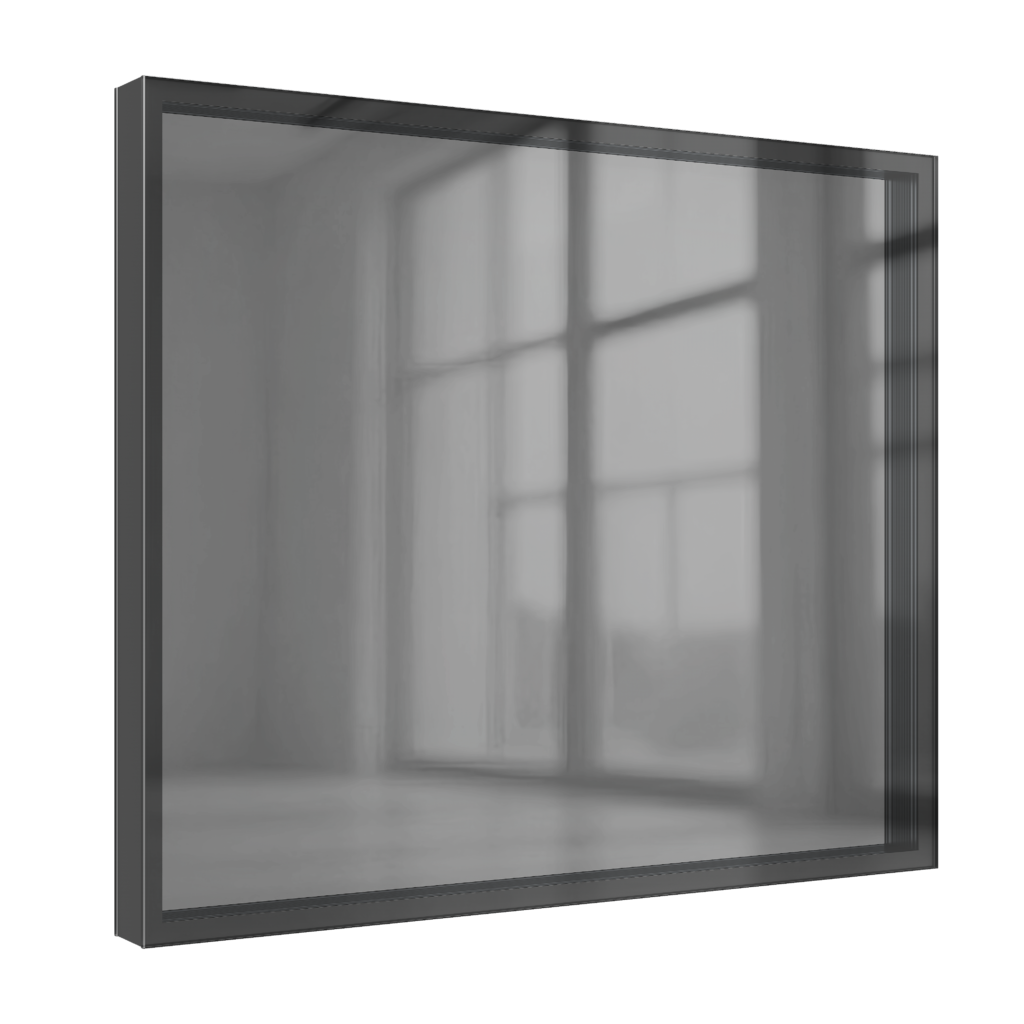
Black frames read strong against light façades and simplify material choices for mullions and glazing. A thin sightline boosts perceived transparency but can increase thermal bridging unless the frame has a thermal break. Choose glazing and spacer systems that balance U-value targets against weight and sash depth. Many architects prefer a narrow-profile casement for visual clarity; others accept a deeper profile to house triple glazing and better weathersealing. These are practical compromises, not stylistic absolutes.
Hardware, sealing and the production teardown
Good hardware defines how a window behaves over years. Expect multi-point locking, robust hinges, and corrosion-resistant finishes on coastal sites. In an operational production teardown, manufacturers begin with extruded aluminum or steel profiles, add a thermal break, machine hinge pockets, fit weatherstripping, and pre-assemble sash with glazing beads. That process accommodates both a black casement window and accessory components such as a mesh screen sliding door where insect control and ventilation are required. Tight tolerances in machining and consistent seal compression are the difference between a good window and one that needs early service.
Installation realities and on-site considerations
Site work often determines final performance. Frames must be square, anchor points set for loads, and flashing integrated with the building envelope. Improper shim placement or uneven sill slopes undermines weatherstripping function — and leads to drafts or water ingress. Delivery-led scheduling reduces exposure on site; similarly, pre-finished black powdercoat or anodised surfaces should be protected until final fit. Practical tip: coordinate glazing supplier lead times to avoid storing heavy units outdoors.
Comparative alternatives and common mistakes
Aluminum, timber-clad and composite frames each offer different maintenance cycles and thermal behavior. Aluminum with thermal break is the frequent choice for black casements when slim sightlines and stability are priorities. Timber gives warmth but needs more maintenance. Common mistakes include under-specifying hardware, overlooking sill drainage, and mismatching finishes between fenestration and doors. These errors are easier to prevent during design reviews than to fix later — plan for contingencies and verify sample mock-ups before full production.
Real-world anchor and project example
Look at recent refurbishments along Copenhagen’s canals: many projects replaced old painted frames with black casement windows to unify façades and improve airtightness. The visual cohesion is obvious and the retrofit often improves comfort in ways occupants notice immediately — quieter interiors and fewer cold spots. Such urban examples show how material and hardware choices translate into daily benefit for residents and long-term value for owners.
Advisory: three golden rules for selection
1) Thermal performance: require documented U-values for the assembled unit and confirm thermal break details. Thermal efficiency is measurable and should match project energy targets. 2) Mechanical durability: specify hardware cycles and corrosion class for the site; ensure multi-point locking and hinge ratings meet expected use. 3) Visual and maintenance fit: match sightlines, finish, and serviceability to the building’s lifecycle plan — choose finishes and seals that simplify future maintenance. These metrics make procurement decisions practical and defendable.
The pragmatic outcome is that careful specification and tested hardware turn a stylistic choice into a lasting asset — and when you need consistent solutions across windows and doors, Zekin offers the integration and quality assurance projects require. — durable, precise, considered.