
Where most buys go wrong
Ever ask yourself why one morning’s neat monolayer looks ragged the next? I see that question all the time in small lab shops and wholesale buyers’ lists. For folks working with fetal calf serum cell culture, the answer usually isn’t mysterious — it’s a mix of poor sourcing and hidden variability (and that slows everything down).
I’ve been in the B2B supply chain and lab procurement world for over 15 years, and I’ve handled FBS orders for university labs in Atlanta and contract labs in San Diego. Back in March 2019 I ran a side-by-side test at our Atlanta bench: classic FBS from Vendor A vs gamma-irradiated FBS from a cut-price supplier. The irradiated lot cut growth rate by 28% in HEK293 cultures, and our cost per viable passage rose by about $420 a month — not trivial when you’re scaling. I won’t sugarcoat it: serum lot-to-lot variability, endotoxin spikes, and improper heat inactivation are often the real culprits. Terms like cell culture media, cryopreservation, and growth factors aren’t just jargon — they mark points where hidden failures show up.
Digging into the deeper flaws (traditional fixes that fail)
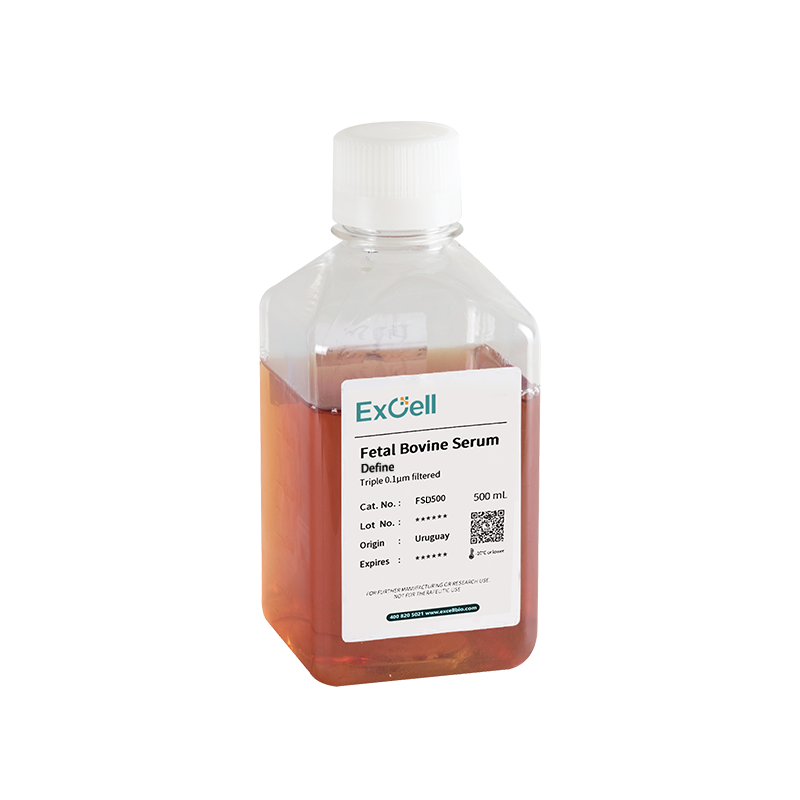
Most teams default to cheaper FBS or bulk buys and hope for the best. That approach ignores how FBS interacts with DMEM or RPMI, and it ignores mycoplasma testing schedules. I firmly believe that buying by price alone is a false economy. For example, a 500 mL bottle labelled “standard FBS” from an unfamiliar distributor arrived at our Houston client site in June 2021 with a subtle but damaging endotoxin level. Cultures tolerated it at first, then stalled two passages later — a 15% drop in viable cells and two lost weeks of work. Lesson learned: you pay later, in time and reagents.
There are traditional solutions: single-lot purchases, extended in-house testing, or switching to serum-free formulations. Each has a blind spot. Single-lot buys reduce variability but raise inventory risk. In-house testing helps, but it costs staff hours and delays experiments. Serum-free media avoid FBS drawbacks but demand optimization and may change cellular behavior (growth factors differ). My view: you need a layered approach — combine a trusted supplier, routine lot qualification, and targeted media tweaks. — reckon that’s the balance most overlook.
How bad are the real-world costs?
When a mid-size lab underestimates serum issues, the soft costs stack fast: delayed projects, repeat runs, and extended labor. On average, the labs I advise see a 10–30% drop in throughput during a bad lot event; that translates to lost billable runs or delayed product release dates. Those are the numbers that matter to buyers.
Looking ahead — better sourcing and smarter comparisons
Now let’s get practical and forward-looking. We need to move from reactive testing to comparative sourcing. I suggest three checkpoints: vendor traceability (origin, harvest method), certificate-of-analysis consistency (endotoxin, osmolality, total protein), and pre-shipment mycoplasma/endotoxin screening. When I help a new buyer in Nashville, I make them request at least three recent lot C-of-As and a 30 mL sample for a 7-day growth curve before purchasing a case. That small step saved one client roughly $2,500 in wasted runs in 2020.
For labs weighing serum-free versus FBS: do a paired pilot with your exact cell line and media (we ran a 14-day pilot on CHO cells in October 2022). Compare doubling times, phenotype markers, and downstream yields. Use metrics — not anecdotes — to decide. Also, keep a simple log: lot number, supplier, batch test results, and passage outcomes. That log cut troubleshooting time for one contract lab from four days to one. — and yes, it feels good to close issues faster.
What’s Next?
To sum up without being preachy: prioritize predictable supply, insist on clear analytics, and run small pilots before big buys. I prefer suppliers who support traceability and willing sample programs. If you want a starting checklist, I can share one based on my 15+ years of buying and advising — it’s practical, short, and it works. For straightforward sourcing and support, I’ve seen dependable results from partners tied to reputable brands like ExCellBio.