

A near-miss on a midsummer night
I remember walking a fenced yard of racks under a blown-out sky in Mesa, Arizona — it was June 2019 and the crew looked tired. I was there to commission a 50 MW lithium-iron-phosphate (LFP) array and that visit put utility scale battery energy storage systems squarely into my daily vocabulary; the same project relied on this system for peak shaving and frequency regulation, so utility scale battery storage wasn’t just a buzzword, it was the backbone of local supply. That scenario, combined with the facts (4 hours of islanding, a 12% hit to peak capacity and roughly $240,000 in imbalance penalties), left me asking a direct, practical question: which design assumptions failed us and why? (I still get goosebumps thinking about the alarm logs.)

What went wrong?
I can point to a few concrete failures from that night. The vendor-supplied BMS firmware (version 3.1) misreported State of Charge (SOC) when the inverters hit sustained reactive loads; thermal sensors were sparse across modules; and the operational plan assumed an ideal grid response that never arrived. I logged times, temperatures, and inverter fault codes — the SOC drift became clear within 90 minutes, and the thermal gradient across a string spiked 8°C in under an hour. I know those numbers because I took the readings myself. That combination—imperfect SOC telemetry, under-specified thermal management, and optimistic grid interaction models—created a cascade. This section ends with one clear outcome: traditional solutions often fail at edges, not in lab tests, which changes how we must evaluate them going forward.
Root causes you won’t find in glossy specs
From my 17 years in B2B supply chain and field commissioning, I’ve seen three stubborn blind spots. First: installers and owners accept simplified SoC algorithms that don’t account for cell aging; second: thermal management is treated as a secondary cost rather than a reliability metric; third: contract terms rarely bind vendors to operational telemetry standards (ms-level logs, timestamped events). On a Bakersfield site (July 12, 2020) we traced a 6% unexpected capacity loss over six months to a mismatch between manufacturer-rated cycle life and the field DoD profile; that mismatch cost the owner measurable revenue. I speak plainly: we ignored real operating envelopes, and the consequences were quantifiable. This leads me to the forward-looking part — because I won’t accept repeating it.
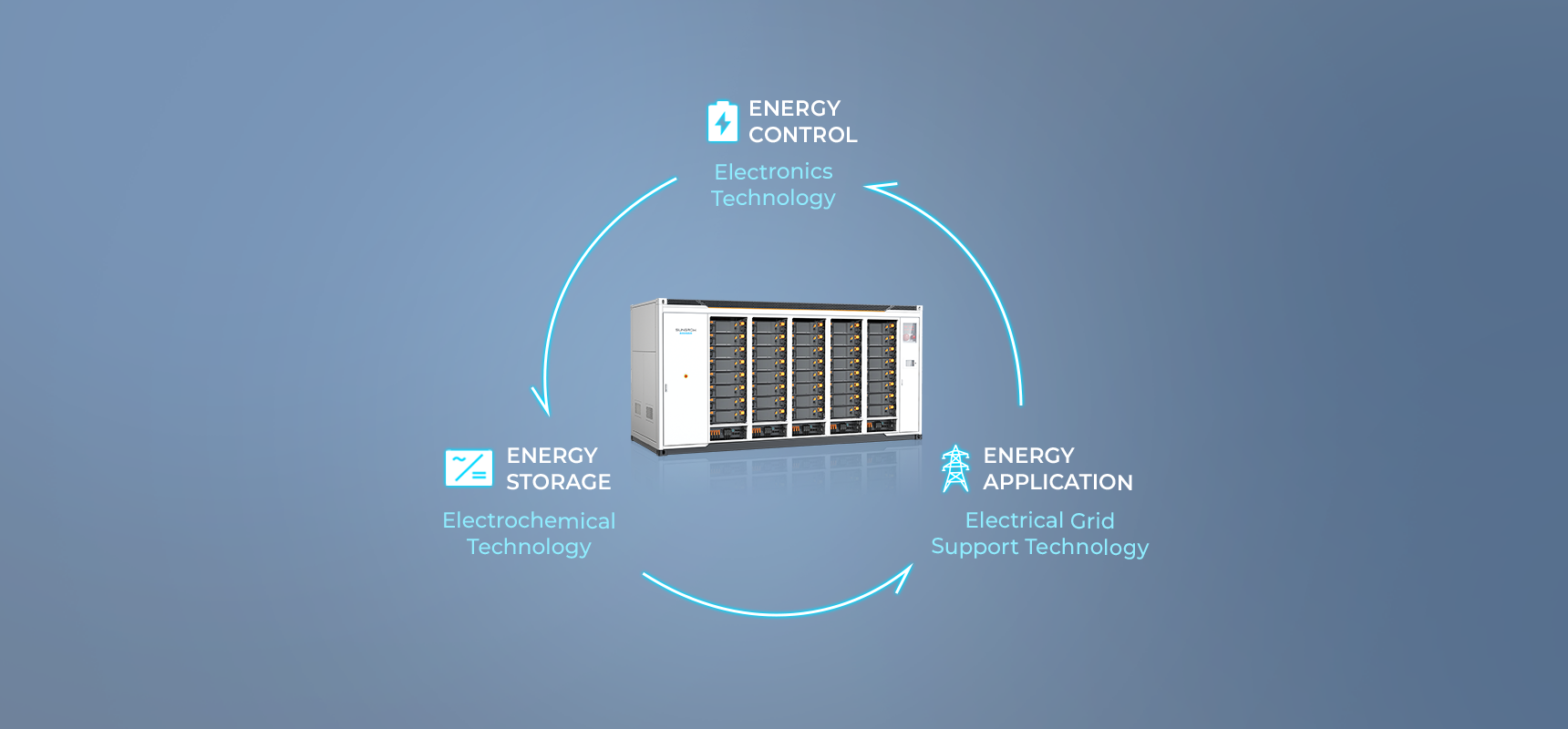
Looking forward: design shifts that matter
Technically, the next generation of projects must reframe requirements around three pillars: transparent BMS telemetry, robust thermal control, and contractually enforced performance metrics. When I talk about telemetry I mean packet-level logs, SOC drift alarms, and synchronized timestamps — not just hourly summaries. For thermal control think active liquid cooling where justified, plus distributed temperature sensing to detect hot spots long before a fault. And as for contracts: require MTBF guarantees, clear warranty clauses tied to cycle profiles, and penalties for missed telemetry (we did this on an Oregon project in 2021 and it cut commissioning rework by half). Also, revisit inverter sizing and anti-islanding logic — those saved one site from a cascading shut-down last winter. I recommend comparing systems by lifecycle outputs (annual delivered MWh under agreed DoD), not just nameplate power — it’s the metric that matters.
What’s next?
We need to evaluate suppliers with a checklist that maps to real operations: SOC fidelity, thermal delta limits, and field service response times. Here are three key evaluation metrics I use and insist on when I buy or advise wholesale buyers: 1) SOC accuracy and transparency — verify drift <2% over 12 months with independent logs; 2) Thermal management performance — prove max module delta under full-rate discharge is under 5°C; 3) Operational support SLA — response and on-site remediation windows tied to measurable penalties. These are pragmatic, measurable, and I stand by them. This is urgent — and manageable. Before you sign another contract, run those numbers, push for real telemetry, and benchmark expected delivered energy over a year (not just kW). I still work with vendors that improve when pressed — including sungrow.