
A Ground-Level Moment
A crowd gathers on a wet quay. The show must start, even as the sky sulks. Your outdoor laser projector manufacturer gets the call. The crew cracks cases, checks seals, and watches the wind. Numbers matter now: event firms report weather is tied to a big share of delays, and some tours see 20–30% reschedules from rain or dust. So here’s the rub, proper job—can your rig hold beam quality when the weather turns, and can it do so without chewing through power converters or overheating the optics? If it can’t, you’re eating overtime, lost slots, and dull beams. The scenario is simple, but the stakes are not (especially with safety lines and public sightlines in play). What matters most is not a bigger housing, but smarter control of heat, ingress, and scan stability when conditions shift. That’s where great makers quietly differ.
Let’s move from the quay to the bench and see what actually fails first.
Where Traditional Fixes Miss the Mark
Why do good rigs fail outdoors?
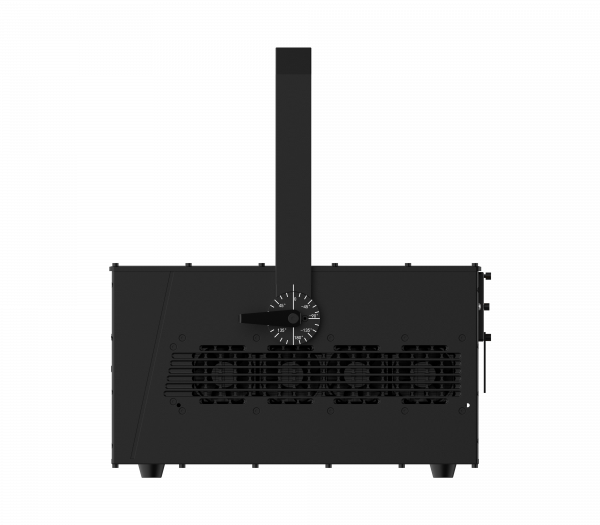
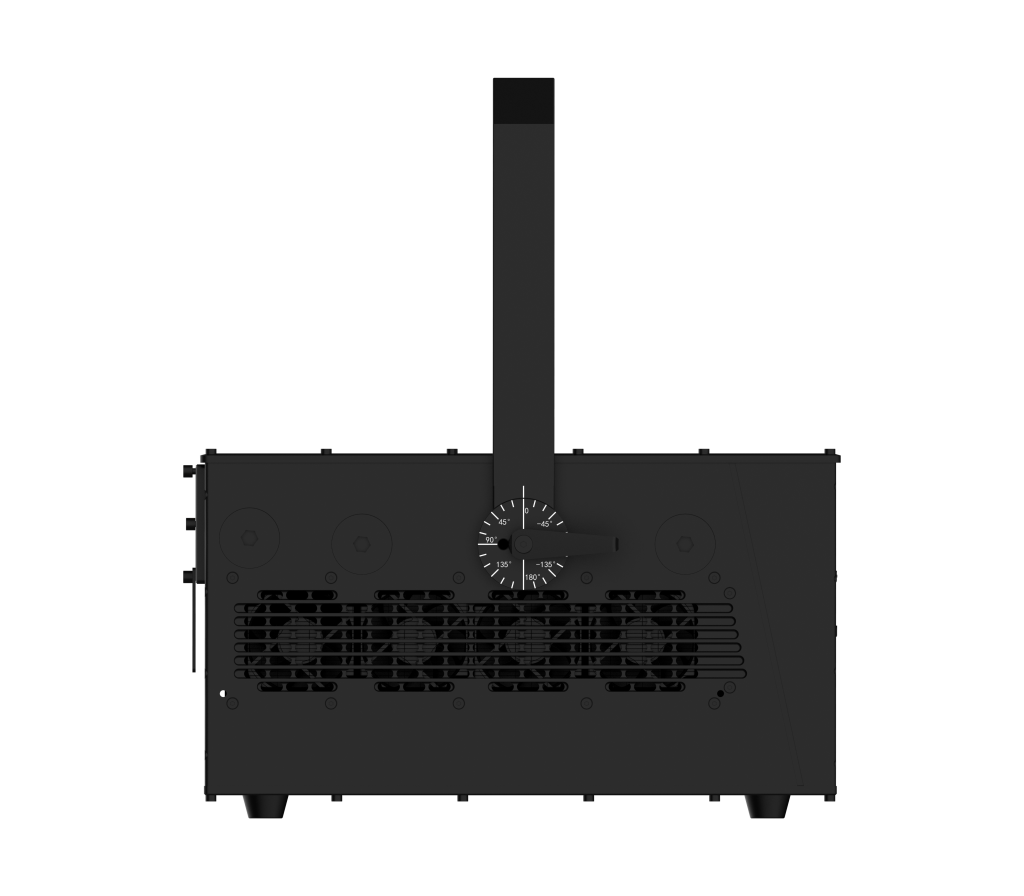
Many teams still try to “ruggedize” by bulking up enclosures and fans for outdoor projector laser lights. Look, it’s simpler than you think: more metal and airflow don’t fix beam divergence drift, galvanometer scanner jitter, or thermal gradients across the diode stack. You can have IP66 labels and still lose crisp lines when humidity spikes—funny how that works, right? Old-school fixes treat symptoms: bigger heat sinks, louder fans, thicker gaskets. But outdoors, the failure chain is systemic. Power converters warm the cavity. That heat alters optical alignment. Then scanners chase corrections, raising noise on DMX control paths. Finally, your audience sees fuzzy geometry instead of tight aerials.
There’s also a quiet pain point: servicing under real timelines. Swapping modules in the rain is not the same as a clean bench job. If the design ignores hot-swappable fans, quick-drain channels, or sealed access to photodiode feedback lines, you burn minutes you do not have. Meanwhile edge computing nodes that could auto-tune scan speed to wind loads sit unused. Without closed-loop thermal management and sensor fusion, the rig fights the environment rather than working with it. The net result isn’t just dimmer output—it’s operator fatigue, more safety buffers, and lower confidence on cues when the harbour breeze kicks up.
Forward-Looking: Smart Optics and Edge Control
What’s Next
So, what shifts the outcome? New technology principles: treat the projector like a small, sealed robot with senses. Pair temperature and humidity sensors with a photodiode feedback loop. Use a microcontroller to adjust diode current and scanner tuning on the fly. That keeps beam geometry steady as conditions roll. Add conformal-coated PCBs and vapor paths that vent without letting salt in. Then unify this with networked control, so a show server can push profiles based on live weather feeds. In practice, an outdoor laser built on this stack holds line sharpness longer, resists thermal creep, and needs fewer mid-show tweaks—come rain or salt spray.
We’ve seen that adding metal and fans isn’t enough; the win comes from integrated sensing, smarter power stages, and scanner logic that anticipates load, not just reacts. Compare two rigs with equal wattage: the smarter one uses predictive thermal maps to keep diodes in the sweet spot, while the other slides into noise. The audience only sees one thing—a cleaner beam that stays true across the set. And your crew? They get calmer prep, shorter resets, and fewer compromises on haze density or safety zones.
If you’re choosing gear, use three simple evaluation metrics: 1) Control depth: Does the system expose thermal, optical, and scan telemetry for real-time tuning? 2) Environmental resilience: Beyond IP ratings, how are drainage, coatings, and gasket serviceability handled on-site? 3) Stability under change: Can it maintain beam divergence and scan linearity across temperature swings without constant human correction? Measure those, and you’ll separate rugged marketing from robust engineering. Keep sharing findings across crews, learn what holds up at the pier and the plateau—and pick partners who design for the messy world. For a technical baseline and product references, see Showven Laser.