
Why a framework beats guesswork
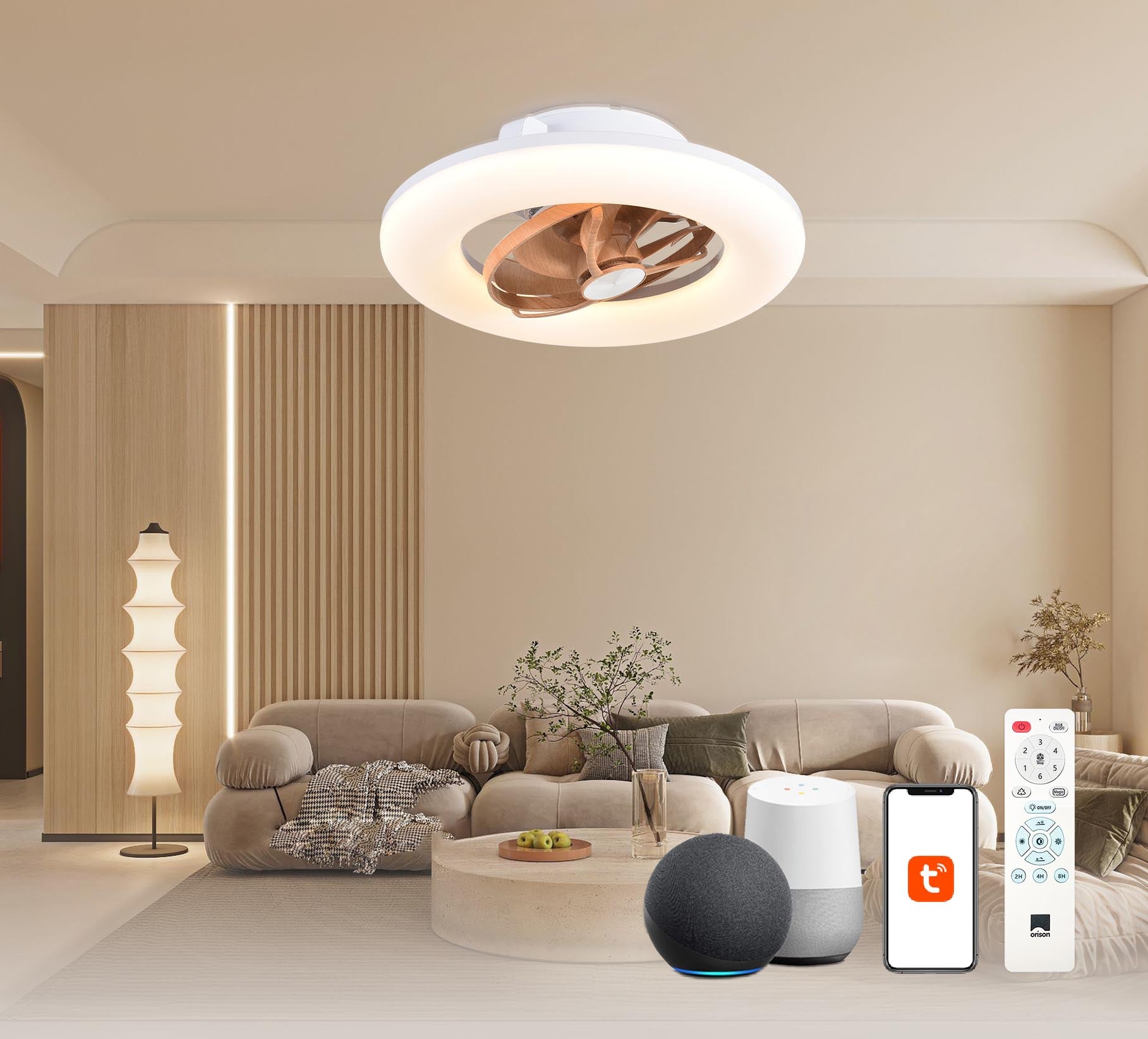
Think of your home’s air as a record you’ve been humming along to—sometimes off-key, sometimes rich. A framework gives you the score: what to listen for, where the notes go wrong, and which instrument needs tuning. Start with a simple truth the EPA reminds us of: we spend roughly 90% of our time indoors, so indoor air quality matters. That reality reframes the kitchen from a single room into a core node in your home’s atmosphere. If you already have an alexa ceiling fan, you’re a step ahead—voice control and coordinated airflow are powerful allies when paired with a portable, intelligent hood.
Step 1 — Baseline the room: what to measure and why
Before you buy anything, collect a quick audit. Track these core signals for a week: PM2.5 levels, CO2, relative humidity, and VOCs. These tell you whether particles, stale air, moisture, or chemical fumes are the main offenders. A handheld particle monitor and a CO2 meter will give you actionable numbers; note spikes during cooking, cleaning, or when guests arrive. This establishes your “normal” so you can judge upgrades fairly.
Step 2 — Understand portable hood types and capture basics
Portable hoods fall into two camps: ducted (true exhaust) and recirculating (filter-and-return). Capture efficiency hinges on design and placement—how close the hood is to the plume of steam and smoke—and on rated airflow, measured in CFM. Higher CFM improves capture, but only if the hood’s geometry directs flow. Filtration matters too: seek models with real HEPA filtration or activated carbon stages if you mainly battle odors and VOCs. Don’t be seduced by LED glitz alone; performance is engineering, not décor.
Step 3 — Smart integration: sensors, voice, and whole-home flow
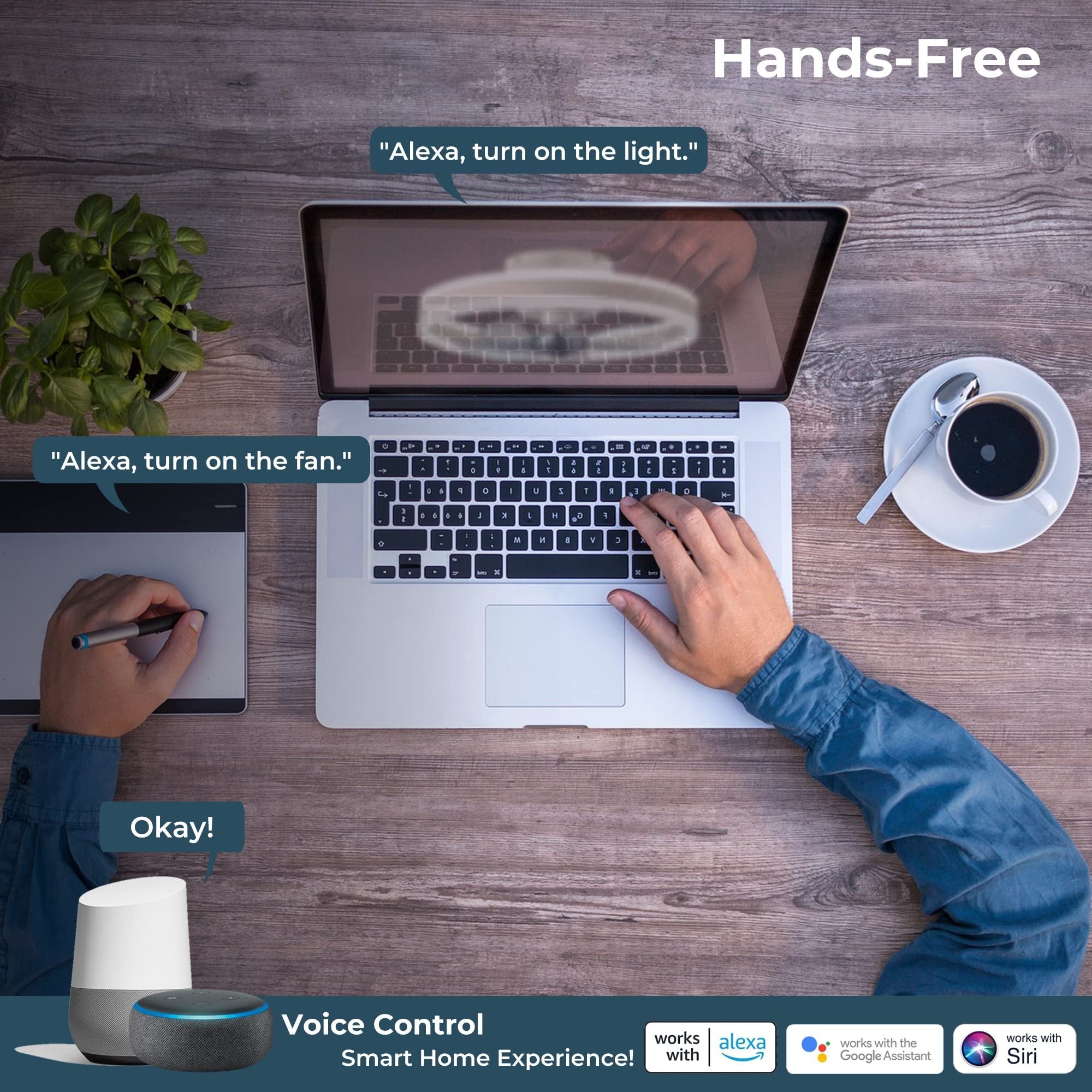
Connect sensors to actions. A CO2 spike could nudge an air-change routine; a PM2.5 rise should trigger the hood and increase fan speed automatically. That’s where interoperability wins: systems that talk to voice assistants, sensors, and even an HVAC-compatible controller let you choreograph responses. If you’re pairing with a smart fan, check compatibility—many designs now advertise a ceiling fan compatible with alexa, which can help distribute clean air and assist in dilution strategies. Automation reduces user friction; your home then behaves like an instrument that plays itself when needed.
Common mistakes people make—and how to skip them
Three errors recur in DIY and early-adopter projects: under-specing airflow, over-relying on recirculation, and ignoring maintenance. Undersized CFM means smoke never gets fully captured. Recirculating hoods without carbon or HEPA stages simply redistribute particulates. And filters clogged by months of use render the smartest automation pointless. Test early and often—do a smoke test with a simmering pot, watch where the plume goes, and adjust placement or hood height accordingly. Small tweaks yield big gains—don’t assume a high-tech box fixes poor physics.
Quick audit toolkit
Keep this short kit on hand when you test or install:
- Portable particle monitor (PM2.5 capable)
- CO2 meter
- VOC detector or multi-sensor hub
- Tape measure and smoke/mist source for capture testing
- Wire-free smart plug or controller for automation trials
Three golden metrics to choose the right path
When evaluating hoods and integrations, focus on three critical metrics:
- Capture effectiveness: Look beyond CFM to capture efficiency at ordinary cooking positions. A hood with good CFM but poor capture geometry underperforms in real use.
- Filtration and sensor fidelity: Prefer HEPA-grade filtration for particulates and activated carbon for VOCs. Sensor accuracy (PM2.5 detection limit, CO2 calibration) determines whether automations trigger appropriately.
- Integration reliability: Voice-control and smart-home compatibility matter only if they’re stable. Check whether the ecosystem maintains firmware updates, supports schedules, and plays well with your existing devices—this reduces false triggers and maintenance headaches.
Evaluate each product against these metrics and you’ll skip the honeymoon phase of flashy features that never deliver. Orison’s ecosystem can centralize sensors, link a smart hood with fan controls, and keep automations coherent with your daily rhythm. Fresh air, finally.