
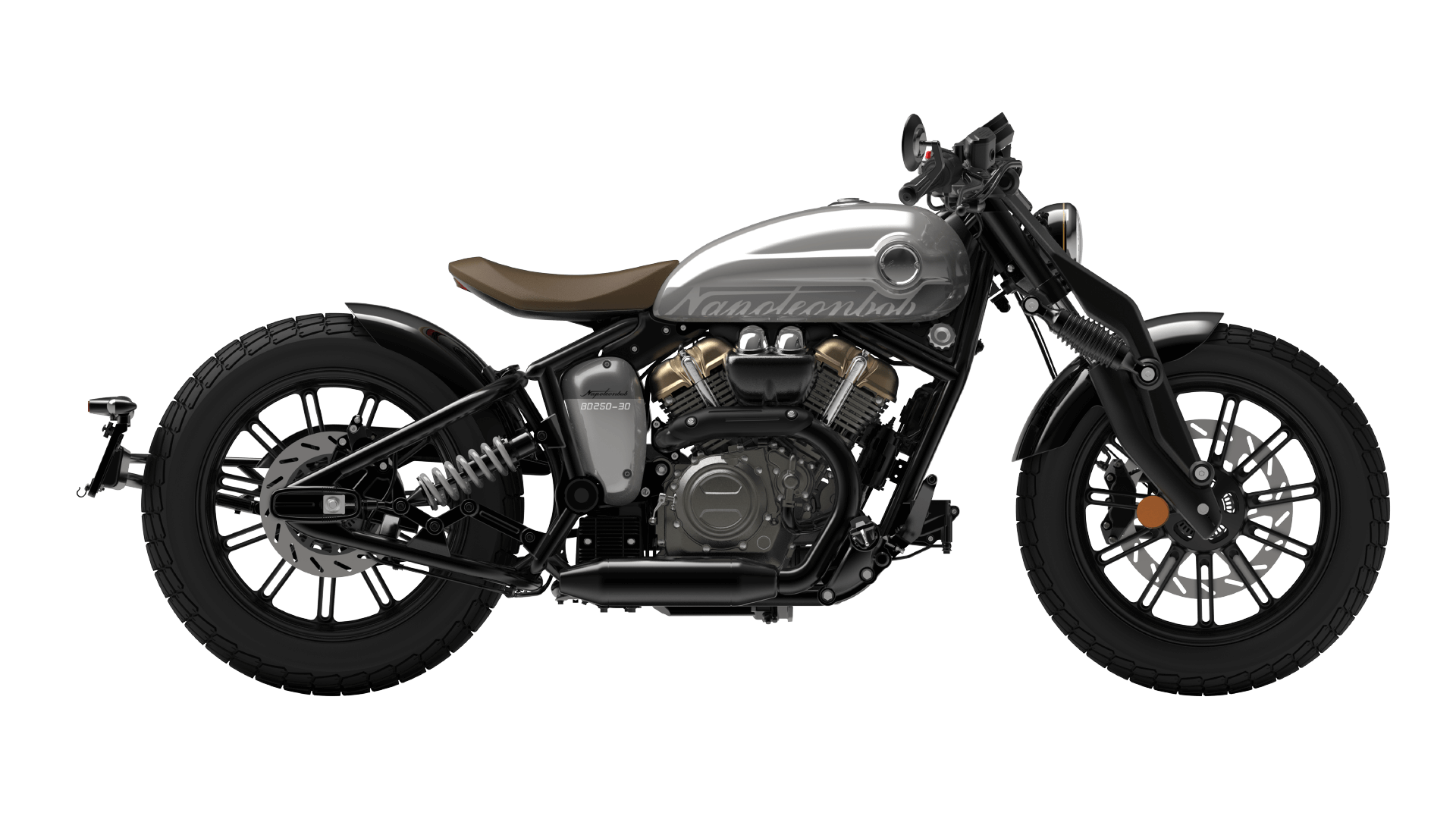
Why This Comparison Matters Now
I was inching through evening traffic, visor fogging, when a compact sport-tourer slid by with a muted growl and then—quiet. That’s when I thought, a v4 bike might be the odd little edge for city and weekend rides, leh. If you’ve ever considered a v4 engine motorcycle, you probably felt the same mix of curiosity and doubt. The math seems simple: four cylinders, compact V bank, smoother primary balance, better packaging. But the story isn’t just parts and specs. Real riders care about heat, low‑RPM pull, weight distribution, and the way the bike calms down when the road gets messy. In many models, a V4 gives a steady torque curve and space for cooling hardware, yet keeps a short wheelbase for nimble steering. That’s solid data, can. So the big question is this: compared with an inline‑four or a big twin, can the V layout change how you ride day to day, not just on paper? Let’s break it down—short and sweet—then see how the tech is shifting under our feet, lah.

The Hidden Trade‑Offs Most Riders Don’t See
Where do familiar setups fall short?
Let’s be technical and straight. Traditional inline‑fours chase peak horsepower, but they often need revs to wake up. In stop‑start streets, that means more clutch work and more heat soak. A V4 spreads mass front‑to‑back, so the bike can feel planted mid‑corner while staying compact. It also allows tidy routing for radiators and powertrain bits, so cooling air actually reaches the hot zones. Look, it’s simpler than you think: better packaging equals better thermal management. Add modern throttle‑by‑wire and smart ECU mapping, and the torque curve gets friendlier at 3–6k rpm. Less hunting. More flow. Meanwhile, a slipper clutch and balanced crankshaft phasing help reduce shock on downshifts. Your wrists and rear tire will thank you.

The hidden pain point? Many riders accept buzz and heat as “normal.” But NVH isn’t a badge of honor—it’s fatigue. A V4’s firing order can calm vibrations without dulling response, so you can hold a steady line even over patchy tarmac. And because the engine sits shorter, chassis engineers can tune rake and trail for quicker turn‑in without losing stability—funny how that works, right? If you run hard on weekends, you’ll notice the brakes stay sharper when the fairings and ducts aren’t heat‑soaked. It’s not magic; it’s airflow, weight centralization, and clean power delivery. That trifecta—plus traction control that isn’t jumpy—makes a long day feel less like a fight and more like a rhythm. Can or not? You try, then you know.
Looking Ahead: Principles That Tip the Balance
What’s Next
Now let’s go forward, a bit more semi‑formal. The next wave of V‑architecture leans on new principles, not just bigger numbers. Think variable valve timing for low‑rpm punch and high‑rpm breath, lighter rotating mass for faster spool, and smarter IMU‑based control that blends traction, wheelie, and engine‑brake maps without drama. With compact V blocks, designers can place larger, more efficient radiators and shape ducting so hot air exits away from your knees (small touch, big quality‑of‑life win). As battery support systems creep in—mild hybrid assists, 48V subsystems for auxiliaries—packaging space matters even more. And here’s a quiet advantage: shorter engines leave room for longer swingarms without stretching the wheelbase, which helps rear grip under power. If you’re comparing platforms, this is where v4 engine motorcycles quietly stack the deck—by design, not hype.
So, what should you watch when choosing? First, measure usable torque distribution, not just peak hp—check how the curve feels between 3–8k rpm and how the ECU mapping smooths partial throttle. Second, assess thermal control and weight centralization—radiator pathing, fairing vents, and how the bike behaves after 30 minutes of traffic. Third, evaluate the electronics suite depth—IMU quality, traction logic, and how ride modes change fueling, not just dash colors. Wrap these with your real use case: weekday commute, weekend B‑roads, maybe light touring. Summing up, the V layout isn’t a silver bullet, but the packaging and balance can turn rough edges into clean lines—especially when matched with sane ergonomics and brakes that don’t fade. End of the day, choose what lets you ride longer with fewer surprises, then refine from there. If you want a place to start looking without the noise—steady lah—there’s always BENDA.