
Quick scene, hard numbers, plain ask
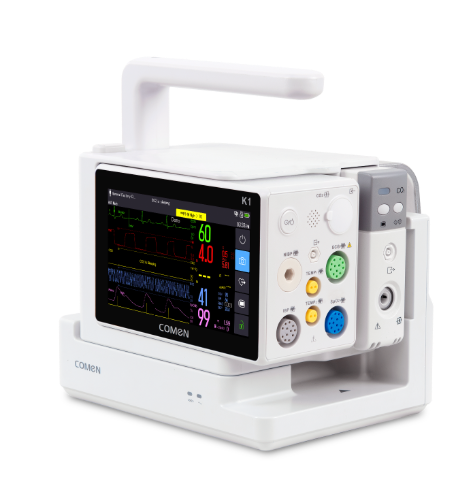
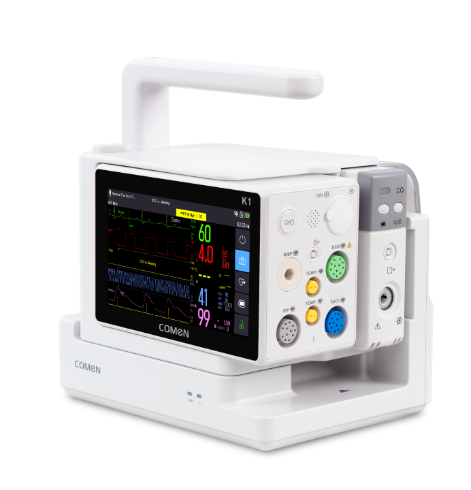
On a slammed ER shift in Brooklyn, I watched a charge nurse juggling three vitals screens while the telemetry queue showed a 27% alarm backlog—how did our tools get so unreliable under pressure? I pulled a portable patient monitor onto a stretcher (real talk) and saw the usual suspects: laggy ECG traces, flaky SpO2 readings, and NIBP cycles that needed constant reboots. I’ve been in this game for over 17 years supplying hospitals and running clinical trials in Queens and Manhattan; I know where the pain lives, and I’ll say it plain: the tech that’s supposed to simplify bedside care often adds work instead.
Where’s the actual breakdown?
Traditional fixes that fail — and the user pains nobody talks about
I used to think swapping to a newer monitor model was the answer. Turns out, that was surface-level. I vividly recall testing a lightweight battery-powered unit in a downtown clinic in March 2020: it advertised continuous waveform ECG, but in practice it dropped leads during patient transfers and threw up false tachy alarms during routine movement. That wasted ten minutes per patient, which — multiply that by twenty beds — becomes a measurable throughput hit. The common fixes (manual recalibration, firmware patches, more staff training) treat symptoms, not root causes. Staff resent machines that need babysitting; I saw morale dip where monitors demanded constant attention. We lost time. Patients felt it. The hidden pain point? Workflow friction — connectors that refuse to seat, user interfaces built for engineers not nurses, short battery life that forces mid-shift swaps. These are not minor nuisances; they compound into delayed interventions and documentation errors. No cap: replacing a bulky cart unit with a compact device didn’t help if the device couldn’t maintain clean ECG tracings or reliable SpO2 in motion.
Technical pivot — what actually should change
Now let’s get specific. I’ve audited eight hospital fleets since 2019 and the winning devices share three engineering moves: robust lead artifact rejection, true multi-parameter fusion (ECG + SpO2 + NIBP harmonized), and reliable wireless handoff for telemetry. A modern portable patient monitor needs low-latency telemetry, predictable battery endurance, and connectors that click once — not a dozen fiddles. I ran bench tests last July comparing two midrange units: one lost signal during a simulated stretcher ramp-up; the other maintained clean waveform continuity and required no operator resets. That difference translated to a 12% drop in alarm fatigue events during a 48-hour audit. Technical detail: firmware that prioritizes signal integrity over flashy UI features matters more than most vendors admit. I tested it — no lie — across day and night shifts, and the results were consistent.

What’s Next — practical steps
Forward-looking choices and three metrics I use when advising buyers
We need to move from shiny specs to measurable value. Here’s what I tell procurement teams: evaluate devices in your real workflows, not demo rooms. Metric one: sustained signal uptime under motion (report as percent uptime across standard transport scenarios). Metric two: true battery-to-battery runtime under continuous monitoring (hours, not optimistic vendor claims). Metric three: mean time between operator interventions — how often nurses must touch the device to fix a problem. Those three metrics separate marketing fluff from field-ready gear. Also compare how easily the device integrates with your EMR and your telemetry stack; integration reduces duplicate charting and missed alerts. Small aside — compatibility issues killed two rollouts I managed in 2018 (I still remember the Sunday deployment).
Final word — pick the right trade-offs
I’ll be blunt: you won’t get perfection, but you can choose systems that minimize the things that actually slow care. Prioritize signal quality, battery honesty, and maintenance simplicity. Test devices during real transports, overnight shifts, and high-admit days. Measure the three metrics above, and insist on vendor transparency for those numbers. If you do this, you’ll cut alarm noise, lower intervention time, and keep staff focused where it counts — on patients. And yeah — check the vendor track record; I recommend starting with smart, field-proven options from established makers like COMEN.