
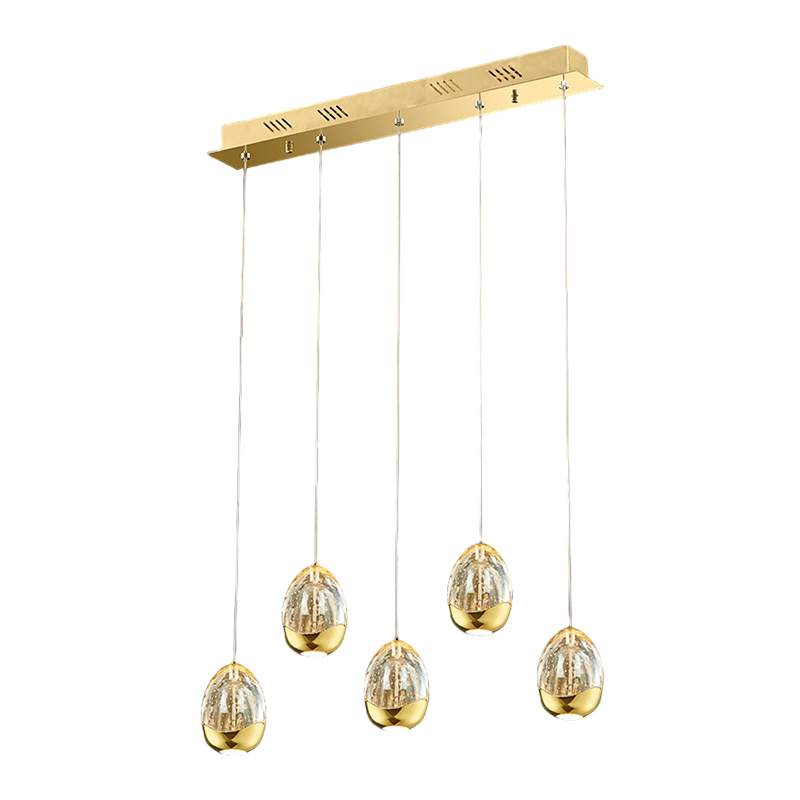
Introduction: A quiet studio, a bright idea—now what?
You sketch the perfect drop of light, and the room feels calm for a moment. You run a pendant light company, or maybe you dream of starting one. Then the numbers intrude: small teams lose days chasing parts that almost fit, and up to a third of delays come from mismatched components and unclear specs—no drama, just drift. If lumen output is off, or the canopy plate won’t match the junction box, the project slides. So the question lingers: is the bottleneck the design, or the way we source and assemble? (It’s often the second.) We’ll compare how people do it today with what’s emerging—piece by piece, with clear steps—so you can move from “nice idea” to “installed fixture” without playing guess-and-check at every turn. Let’s move to the real friction you can fix next.
Hidden Friction in Sourcing: Why Supplies Trip You Up
Where do tiny errors turn into big delays?
When you order pendant light making supplies, you expect a clean kit. But traditional supply chains split the bill of materials across vendors who use different naming, tolerances, and regional standards. One canopy says E26, another says E27, and the socket depth differs by a few millimeters—enough to mis-seat the bulb or distort beam shape. CRI looks fine on paper, but the driver’s dimming protocol doesn’t match the wall control, so it flickers at low levels. And thermal management gets ignored until the housing runs hot and ages the phosphor. Look, it’s simpler than you think: the problem isn’t only “parts,” it’s interoperability. Power converters, cords, strain reliefs, mounting brackets—each has specs that must align. When they don’t, your team improvises in the field, and every “quick fix” becomes a new failure mode—funny how that works, right?
The classic workaround is bulk ordering and manual testing. That feels safe, but it hides three pain points. First, over-selection: you carry too many SKUs and still miss the one that fits your thread pitch or canopy center-to-center. Second, late validation: you discover a dimmer conflict after install, not on the bench, because no one mapped the protocol chain end-to-end. Third, opaque tolerances: suppliers publish marketing specs, not engineering ones, so you can’t predict heat sink behavior over time. Each of these adds rework. And rework compounds. If you spec a 60 W equivalent lamp but ignore driver heat rise, you’ll throttle brightness in warm rooms and customers will call it “dim.” The fix is not buying more parts; it’s aligning a small, verified set to your use cases and documenting the boundaries. That’s where the next step differs—on purpose.
Comparative Insight: From Manual Guesswork to Smart Kits
What’s Next
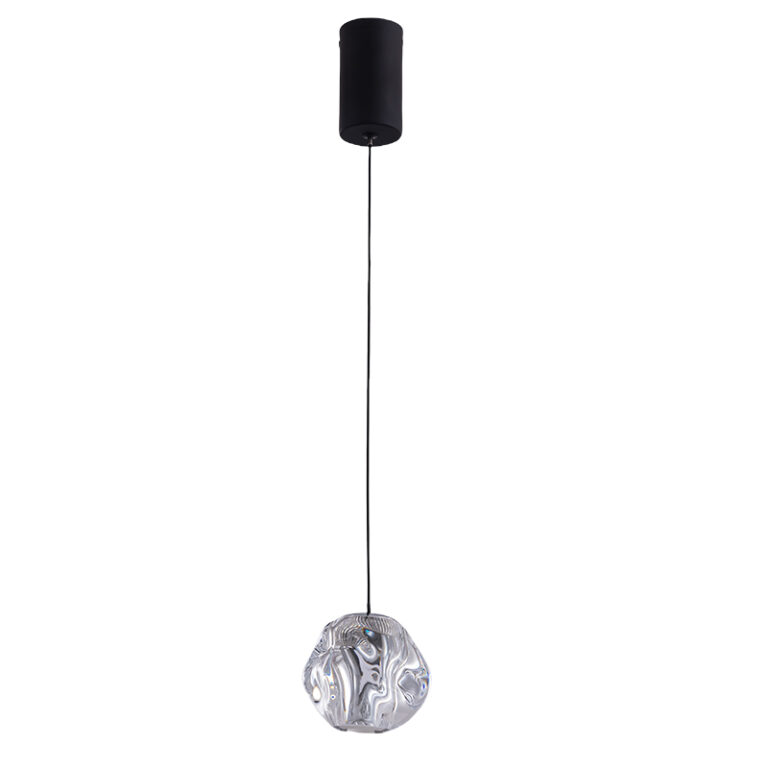
Old way: choose parts, hope they play nice. New way: start with a constrained kit built around known interfaces and tested thermals, then expand. Think pre-matched sockets, canopies, and drivers that cover a clear lumen band, with dimmer tables verified in-house. Add a simple configurator that flags conflicts before checkout. It doesn’t need to be fancy—QR-coded BOMs, a print-safe wiring scheme, and a short matrix of compatible controls beat a hundred ad hoc notes. Even a compact kit for a single format, like a tidy 1 light pendant light, can be smarter: NFC-programmable drivers set floor and ceiling for output, while a basic thermal pad keeps the cavity cool. If you layer optional sensors later, keep them modular so edge computing nodes snap in without touching mains. Yes, even for small orders.
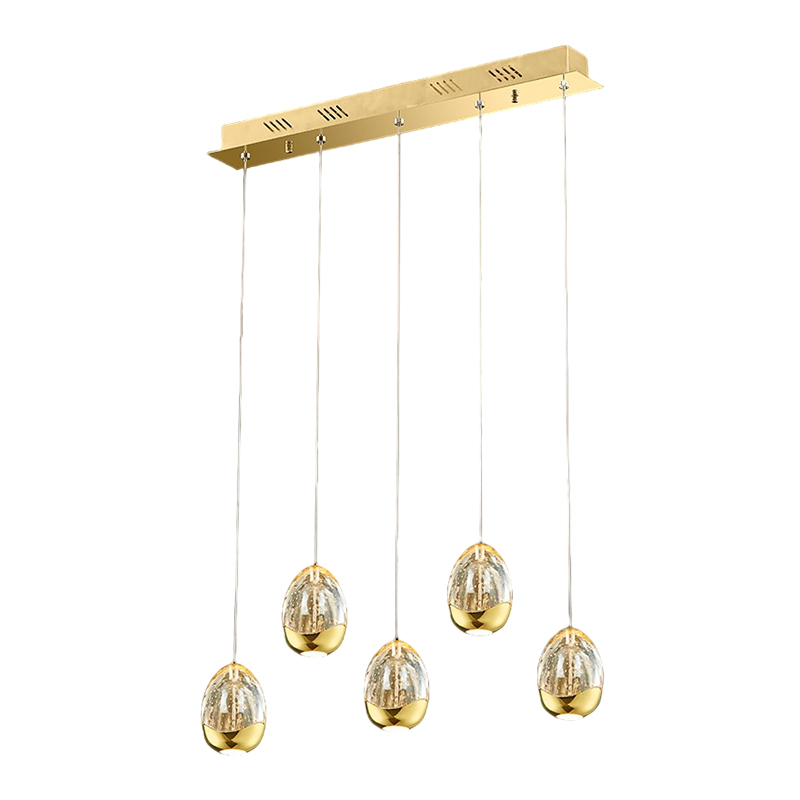
Looking ahead, the best systems fold test data into purchasing. A configurator shows CRI range, dimmer matches, and expected heat rise at room temp, then “locks” the set so site crews can’t swap a near-fit bracket. That sounds strict, but it frees the build. For teams comparing options right now, use three checks: 1) Compatibility footprint—do the parts share the same standards (E26/E27, 0–10V or TRIAC) with a proven dimmer list? 2) Thermal headroom—does the assembly keep junction temperatures below spec at 25–30°C ambient, with documented heat sink paths? 3) Lifecycle support—are SKUs stable, with clear revision notes and wiring diagrams that survive handoffs? Choose the kit that answers those cleanly, and your install rate goes up while callbacks drop. That’s the quiet win a studio needs—steady, repeatable, humane. Learn more frameworks and parts mapping at kinglong.