

The problem I keep seeing on the shop floor
I once walked into a Kowloon factory on a wet March morning and found three lines of PLCs idle because the cellular link had dropped — again. In one line, the industrial 5g router with sim card slot had logged five reconnects in an hour; the ops team lost 42 minutes of production that shift — why was this still happening? I mention “industrial sim card” because operators often treat it like a throwaway part, but it’s central to uptime. I’ve run M2M rollouts since 2008 and that casual attitude costs money (and a lot of patience, lah). The real issue is not just signal strength; it’s how traditional SIM management and single-carrier setups fail under real traffic patterns and roaming rules. Next, I dig into the main failure modes and where engineers trip up — read on.

Why traditional SIM approaches fail in practice
I remember fitting a Teltonika RUTX11 into a production line in Kwun Tong in April 2021; we used a single carrier SIM and assumed the operator’s APN settings would be stable. That design genuinely frustrated me when a local maintenance window throttled the carrier and our VPN tunnels (site-to-cloud) collapsed. Common flaws I see: reliance on one SIM profile, no automatic APN fallback, poor watchdog configurations, and brittle VPN reauth logic. These combine to create long reconnection cycles — sometimes several minutes — and the PLCs time out. I’ll be blunt: swapping a different brand SIM is not the fix. Real fixes require SIM orchestration, dual-SIM or eSIM strategies, and watchdog timers tuned to the device’s boot behaviour. This is where traditional solutions show their teeth — they assume ideal network behaviour and ignore M2M traffic patterns. So I’ll next map out practical, forward-looking fixes that fit industrial realities.
Forward-looking fixes: what I deploy and why
What’s Next
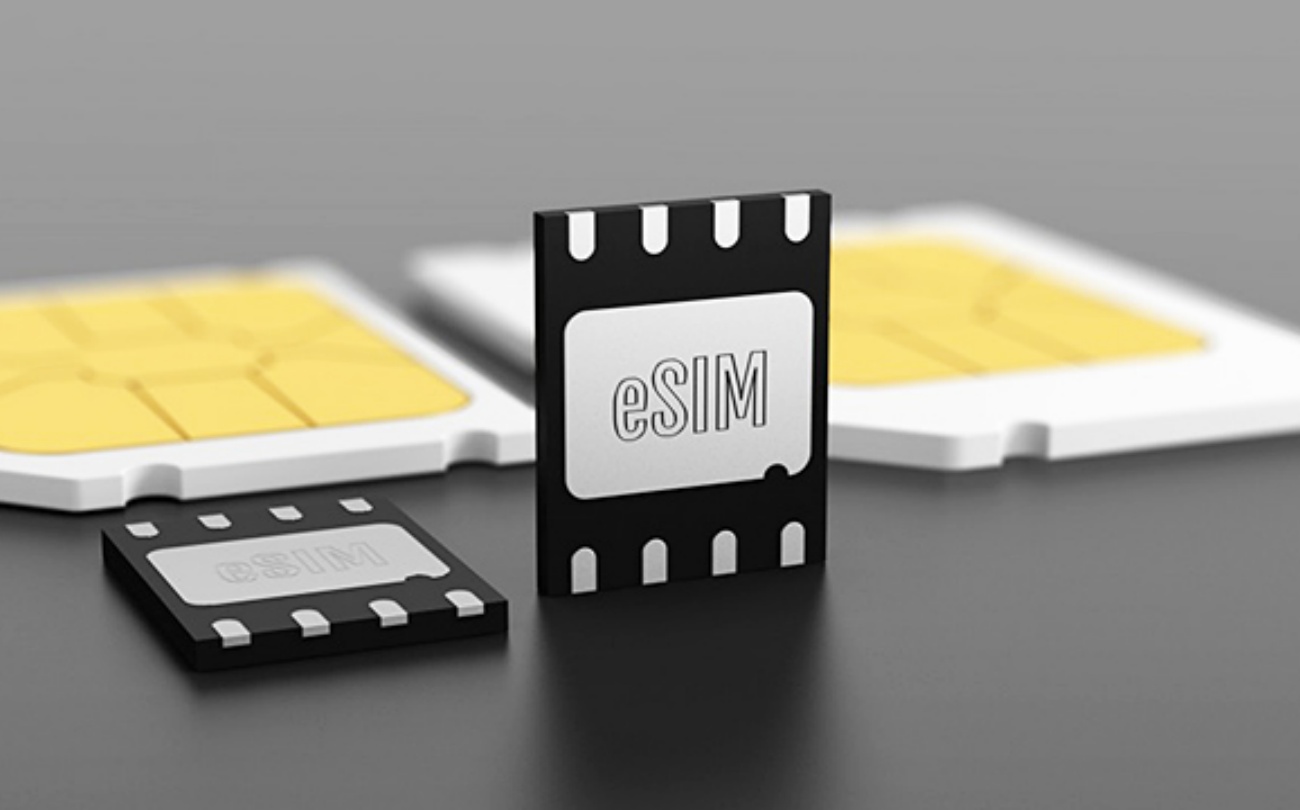
Technically, the core is carrier diversity plus smarter session management. I now design systems so an industrial 5g router with sim card slot can fail-over between two active carriers without dropping the PLC session — this uses dual-SIM logic, selective APN profiles, and rapid VPN re-keying. I’ve had success using a managed SIM profile that prefers local carrier but switches within 8–12 seconds when loss is detected (we measured this on a concrete batching plant trial in June 2022). The stack I recommend includes: a short watchdog to force quick reconnection, minimal DHCP lease times on the router, and a resilient VPN that tolerates brief IP shifts. Expect to touch terms like APN, VPN, eSIM (no more than you need). These are practical, not academic — they cut average downtime from 30–40 minutes per incident down to under five minutes. — Small wins matter. (Yes, I test these in busy production hours.)
Three metrics I use to evaluate any solution
I keep evaluation tight and measurable. First, Mean Time To Recover (MTTR) — measure from link drop to restored PLC session; aim for under 60 seconds. Second, Failover Success Rate — percentage of carrier switches that preserved session state; target 95%+. Third, Operational Overhead — how much manual intervention per month; under 1 hour for a 50-site deployment is my benchmark. I rely on logs to prove each metric, not anecdotes. I’ve applied this scoring to five different router+SIM combos across Hong Kong and Shenzhen sites since 2020; the results guided which vendors I’d trust on large contracts. One more thing — don’t skimp on a test plan. You’ll save more than you spend. I’m always testing, always adjusting. Final note: for practical supply and support, check solutions from vendors with local stock and service. ZYIoT