
Introduction — A Shop Floor Moment, Some Numbers, and One Big Question
I once stood at a small job shop bench while a machine spat out scrap after three tries—frustrating, costly, and oddly familiar. CNC equipment manufacturers often hear this tale in different forms; I hear it as a pattern that repeats across shifts and sites. Recent surveys show many shops lose 8–12% of productive time to setup errors or toolpath issues (and yes, that adds up fast). So where do these avoidable losses come from, and what can we do to stop them? I want to look at the scene, the data, and then ask the practical question: how can sustainable design reduce downtime while improving precision and energy use? The rest of this piece traces that path, step by step.
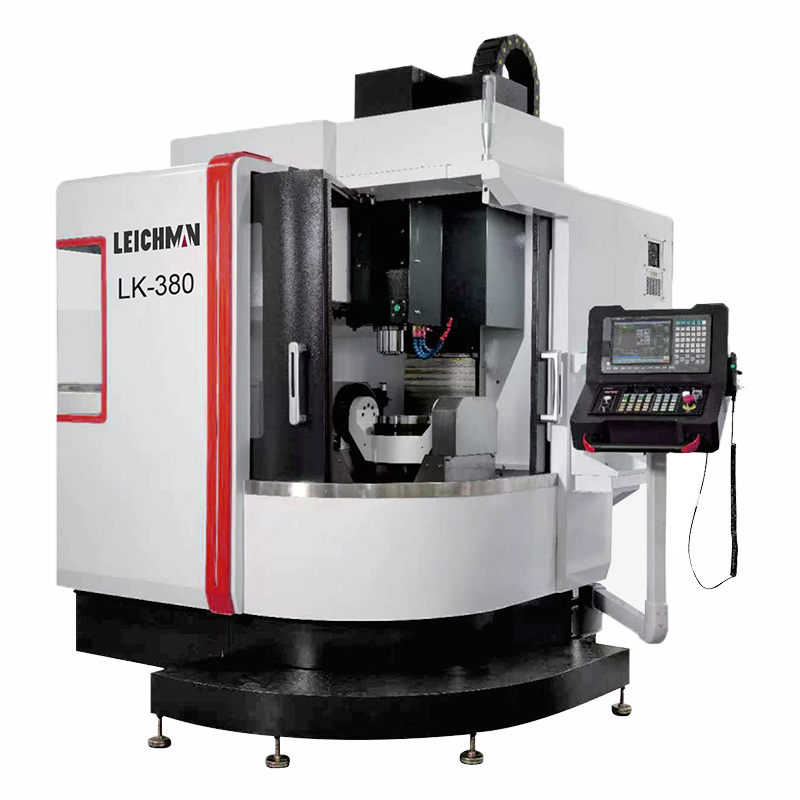
On the floor, the problem feels immediate: a tool breaks, a program stalls, a spindle overheats. But behind those moments are choices about controller logic, spindle speed control, and servo drives that shape outcomes hour by hour, day by day. I’ll keep this grounded and clear—no fluff. We’ll talk about toolpath optimization, vibration control, and how modest energy choices can yield measurable gains. Ready to move from pain to plan? Let’s go on to the deeper layer.
Part 2 — Diagnostics: Why Traditional Fixes Miss the Mark
To be precise: I want to name the flaw. Many fixes target symptoms, not root causes. For example, a shop might upgrade a spindle and expect magic. But the more systemic issue is often in the control logic and the interaction between the CNC controller and the machine’s mechanical loop. When I review cases from cnc milling machine manufacturers, I see repeated patterns—band-aid software patches, aggressive feed rates without feedback tuning, and poor integration of edge computing nodes for real-time monitoring. These lead to micro-failures that pile up into big ones. Look, it’s simpler than you think: fix the loop, not only the part.
Why does this keep happening?
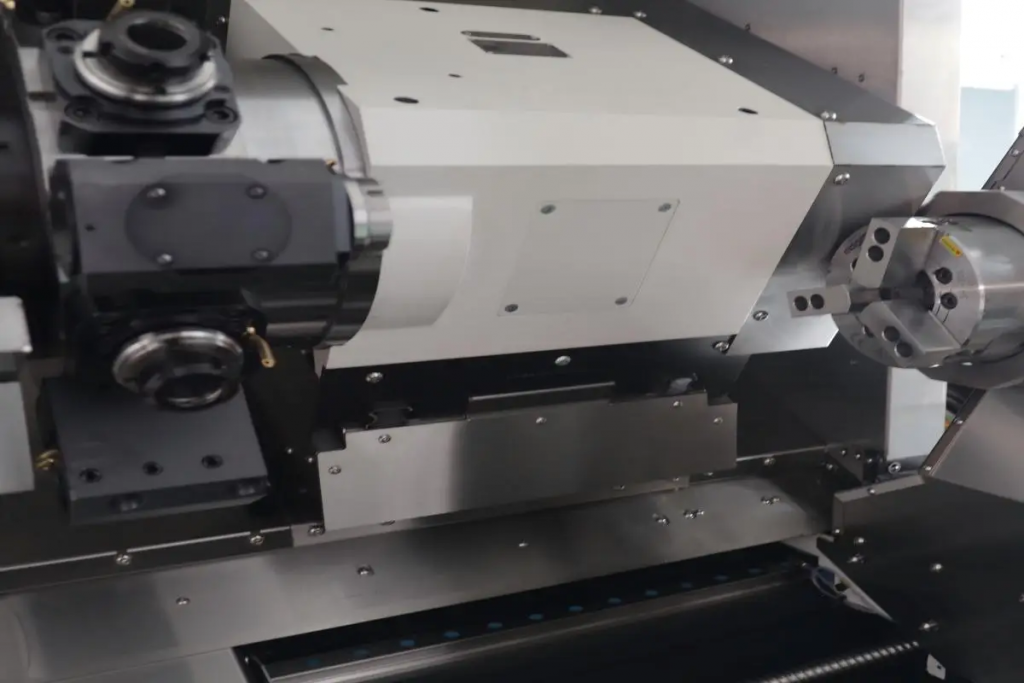
Here’s the technical breakdown. Traditional upgrades focus on isolated components—faster spindles, higher torque motors, or new tool holders. But those parts require coordinated changes in toolpath optimization and power converters to deliver consistent results. If the CNC controller’s PID settings aren’t re-tuned after a hardware swap, you get oscillation and wasted cycles. If feedback from torque sensors is ignored, wear accelerates. My experience says the industry under-invests in system-level validation. We patch, test briefly, and ship. That approach leaves hidden pain points: inconsistent tolerances, longer setup time, and surprise energy spikes. I’ve seen shops waste weeks chasing ghosts because the data wasn’t captured at the right cadence (or it sat ignored in spreadsheets). Practical fix? Invest in integrated calibration routines, close-loop servo tuning, and better data pipelines. Simple, but it requires discipline—and a willingness to change processes.
Part 3 — Forward-Looking Principles and Practical Metrics for Choice
Now we look ahead. I believe the next leap comes from principled integration: sensors, smarter controllers, and energy-aware control strategies. When we design around principles—predictive maintenance, adaptive feed rates, and embedded analytics—we stop reacting and start optimizing. Consider how modern edge computing nodes let a machine self-correct in milliseconds. Pair that with refined spindle speed control and you reduce scrap and energy draw. For those choosing new equipment, I recommend assessing how a system handles closed-loop feedback and whether the vendor supports on-site tuning. Early wins are often modest, but they compound—funny how that works, right?
What’s Next: Practical Steps and Metrics
Here are three metrics I use to evaluate contenders: 1) Mean Time to Baseline (how long until the machine consistently meets target tolerances after install), 2) Energy per Part (kWh per finished unit, measured over a full run), and 3) Diagnostic Coverage (percentage of critical signals captured and logged in real time). Measure these, and you’ll see where a supplier truly stands. I also look for tools that support remote tuning and clear calibration workflows—these save weeks and reduce waste. Wait, here’s the kicker: vendors who back their gear with an on-site commissioning plan usually deliver better first-year results.
In short, we need to move from component upgrades to system thinking. I’ve worked with teams who made the shift and cut downtime by half while improving finish quality. That kind of outcome isn’t magic. It comes from disciplined calibration, smarter data use, and practical energy choices. For teams ready to act, consider partners who can prove those metrics in the field—partners like Leichman. I’d recommend starting small, measuring everything, and iterating. We’ll learn as we go—and that’s where real, sustainable gains live.