
Introduction
Retail speed lives or dies by the rack. In our plant as a clothes rack manufacturer, we see how a quiet fixture can change a whole shift. Picture a weekend reset: cartons everywhere, staff moving fast, launch clock ticking. Yet 1 in 4 store teams report time lost to unstable rails or wrong fittings, according to our last audit of field calls. Space is tight. Budgets are tighter. And demand peaks when mistakes show most (always Friday night). If a simple frame controls flow, then the real question is sharp: which rack survives abuse, and which only looks ready?
This is not drama. It is process. A rail is a small asset, but it makes or breaks a planogram. So, how do we compare designs in a clear way and avoid the old traps? Let us go deeper, then move forward into better choices.
Hidden Weak Points in the Wholesale Rack Equation
Are we solving the right failure?
When teams order a wholesale garment rack, they expect volume, uniformity, and low unit cost. Yet the stress points are quiet and common. Thin-wall tubing looks fine, but the load-bearing rating often assumes perfect floors, perfect handling, perfect balance. In real stores, none of that holds. Caster assemblies loosen under vibration. Fasteners creep. Powder coating hides micro-scars until humidity bites. A proper torsion test tells more than a static load test—funny how that works, right?
Look, it’s simpler than you think. Most failures are not about total weight. They are about leverage at the ends and speed of movement. A long rail with uneven hangers will twist. Cheap brackets multiply that twist. MOQ pressure can push cheaper bushings, which then grind under load. Galvanization resists rust, yes, but a poor pre-clean leaves pinholes. A tighter QC sampling plan catches it early. Do not forget tensile strength of the fasteners; mixed batches change your safety factor. And if your team swaps shelves mid-season, beam deflection grows fast. The brochure never says that.
Comparative Outlook: How New Principles Redraw the Rack Map
What’s Next
Now we move from symptoms to structure. Modern racks change at the design table. Modular uprights with indexed holes let you re-balance weight, not just add parts. Finite element analysis (FEA) shows where rails twist before any metal is cut. A digital twin of the frame tests how a store team actually uses it—push, turn, bump, repeat. On the line, smart torque tools record every joint to spec, and edge computing nodes flag outliers in real time (no waiting for end-of-shift checks). Even a modest change, like a better powder coating line pre-treatment, raises corrosion cycles without raising cost too much. You see the pattern: fewer guesses, more evidence.
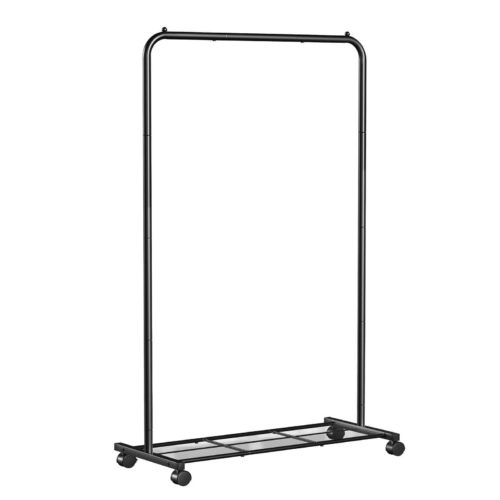
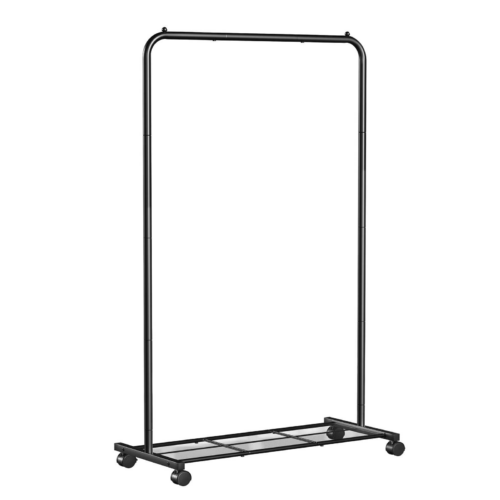
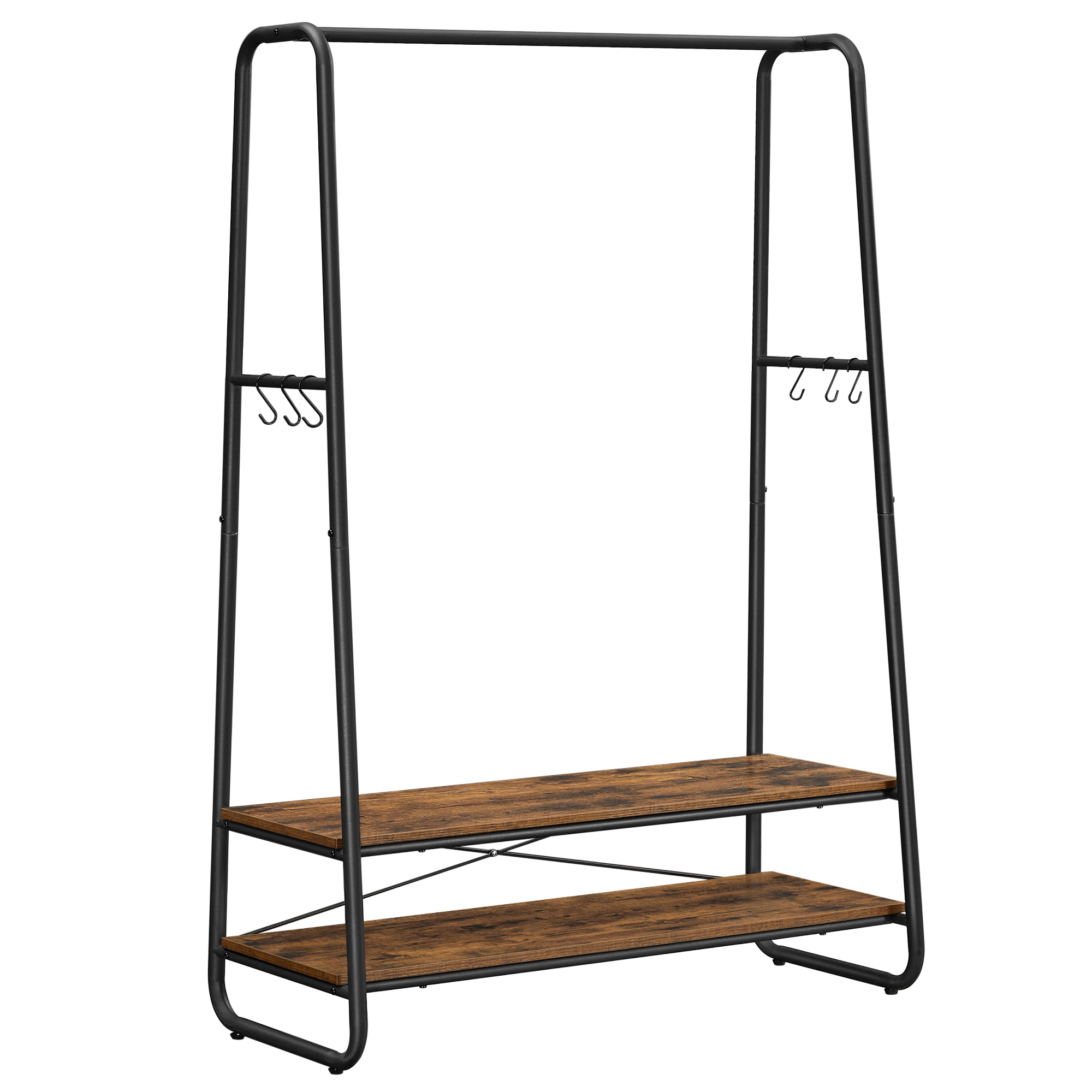
In that frame, compare traditional welded frames with modular systems offered in clothing display racks wholesale. Welded frames feel solid on day one, but they ship big, dent easy, and lock you into one layout. Modular sets travel nested, take less warehouse space, and adapt SKU density mid-season. With SKU harmonization and lean manufacturing, you can standardize casters, brackets, and sleeves across families. That means fewer spare parts and faster fixes—on a busy morning, this is gold. And metrics improve. Stores report 18–30% faster floor resets. Returns due to caster failure drop when torque spec data is recorded, not guessed. Lead time smooths because fewer unique pieces clog the queue. Still, the choice depends on your field reality—and nobody notices until Saturday.
So, how to judge with a cool head? Use three clear metrics. First, durability per kilogram: test torsion and impact, not only static load. Second, total lifetime cost: include freight cube, field assembly minutes, and spare part overlap. Third, adaptability: count real reconfiguration steps and tools required. If a frame wins two of three, it will likely win your week. The rest is fit and finish. Keep it practical, keep it measured, and keep the team safe. For deeper specifications and consistent execution, see SONGMICS HOME B2B.