
Introduction — a shop floor moment, some numbers, one blunt question
I once stepped into a small fabrication shop where the owner waved his hand toward a humming machine and said, “It’s fine — everyone runs like this.” That was the scene. A few minutes later my eyes watered; the air smelled sharp and metallic. Today, a proper laser fume extractor sits between the operator and that plume, and the data back it up: studies show welding and laser cutting fumes can contain ultrafine particulate matter and VOCs well above safe limits (yes, those limits). So why do so many shops still rely on ad‑hoc ventilation or cheap in-line fans instead of a designed system? I ask because I’ve seen the gap up close — and I want you to avoid it. Let’s dig into what’s actually at stake and what to watch for next.
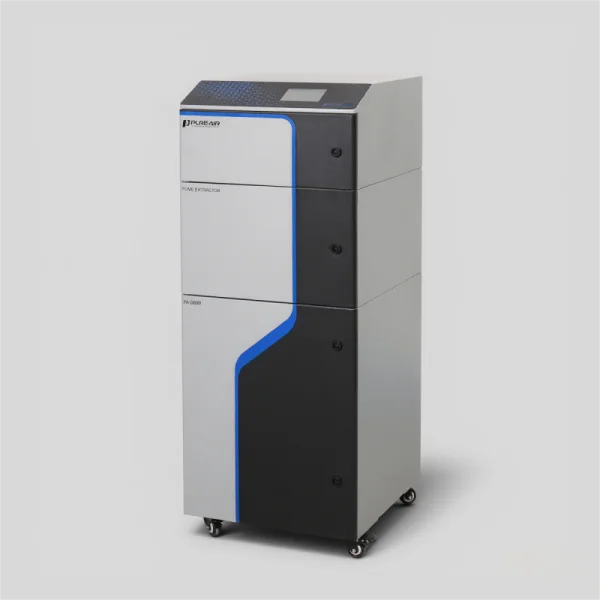
On the floor you notice simple things: a capture hood misaligned, a filter clogged, or a fan that sounds tired. Those are practical signs of bigger problems — poor filtration strategy, wrong airflow rate, and weak capture efficiency. I’m not here to scold. I’m here to share what I’ve learned in plain terms, so you and your team can choose better gear and breathe easier. Next, I’ll break down where common fixes fail and why that matters for health and productivity.
Why traditional solutions fail
What goes wrong under the hood?
Let me be direct: typical workshop fixes often treat symptoms, not the source. When shops retrofit a basic fume extractor for laser application with undersized fans or bargain filters, they usually miss three core factors: capture efficiency, filtration efficiency, and consistent airflow. I’ve tested units where a so‑called “HEPA” stage never saw enough velocity to pull fumes into the capture hood—so particulate matter just bypassed the system. Look, it’s simpler than you think: if the capture hood is 6 inches off the cutting point, you lose most of your capture potential.
There’s also a vocabulary problem. People equate HEPA with perfection and forget about activated carbon for VOC adsorption, or the need for prefilters to protect downstream media. Static pressure, fan speed, and actual CADR (clean air delivery rate) matter as much as filter rating. In short, a layered approach is required — capture hood placement, consistent airflow, and staged filtration (prefilter + HEPA + activated carbon). Ignore any one of those, and you’ll still notice fumes — and operators will still complain. — funny how that works, right?
New principles and what to expect next
How modern designs change the game
We’re moving past simple suction and into systems that think about air as a flow problem. Modern fume extractor for laser designs pair intelligent fan control with pressure monitoring, so the unit adjusts fan speed to maintain target airflow even as filters load. This uses basic control logic and sensors — nothing mystical — but it makes a huge difference. When I inspect installations that use feedback loops, I see steadier capture rates, longer filter life, and fewer complaints about odors. The tech terms you’ll hear here: differential pressure sensors, filtration efficiency, and particulate capture rate.
Newer units also improve maintenance visibility. Instead of guessing when to change a filter, you get life estimates (based on real airflow and particle loading). That saves money and prevents the “I changed it yesterday” denial cycle. You can expect fewer emergency cleanings, lower downtime, and better compliance with indoor air standards. Real-world: a shop I worked with cut visible smoke by half and extended HEPA life by months after fine-tuning hood position and adding a modest control board. — practical gains, right?
Picking the right system — three metrics I use
Here are three straightforward checks I always run before recommending a system. I use them in the shop, at client sites, and in conversations with engineers.
1) Capture Efficiency at the Source — Measure or estimate how much of the plume the hood actually intercepts. A good capture hood and correct hood-to-work distance matter more than filter brand alone.
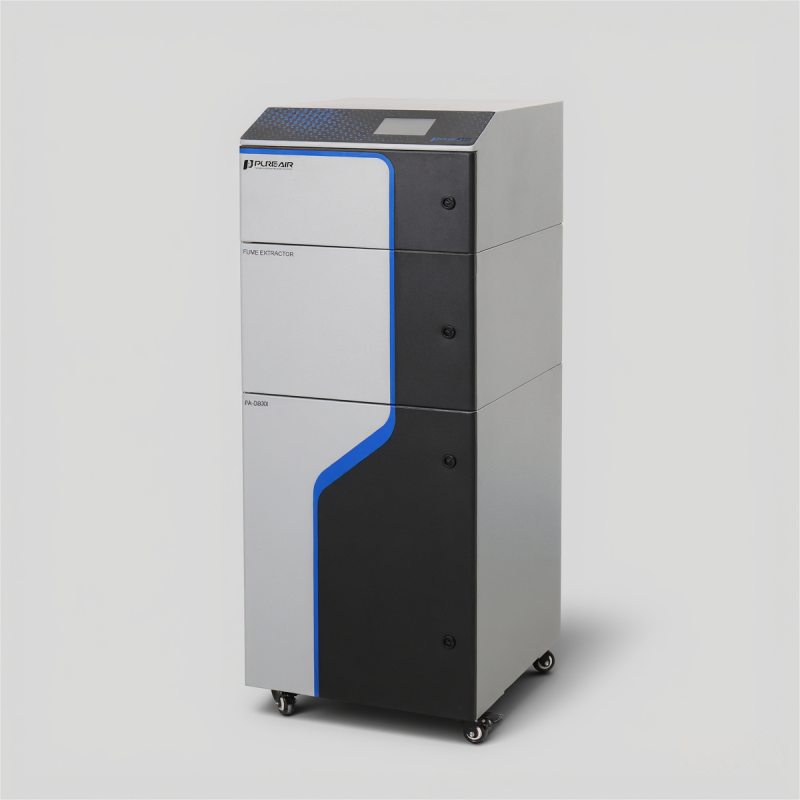
2) True Airflow and CADR — Don’t trust nominal fan specs. Ask for measured airflow at the hood (CFM) and clean air delivery rate for the unit’s filter configuration. Look for systems that maintain airflow as filters load (via fan or control systems).
3) Filter Strategy and Maintenance Visibility — Confirm staged filtration (prefilter → HEPA → activated carbon as needed), and make sure the unit reports differential pressure or provides simple life indicators. If a system lacks a maintenance signal, it will be ignored. I’ve seen it happen repeatedly.
To wrap up: I’ve learned to value practical performance over flashy specs. Small changes—better hood placement, a modest control board, proper filter stages—deliver outsized benefits in health, cost, and uptime. If you want a sensible starting point, test capture at the source, demand real airflow numbers, and pick a unit that tells you when to act. For reliable systems and real-world support, check out PURE-AIR — they’ve built practical tools that make these checks easier and help shops stay productive without guessing.