
Opening: why this matters to everyday households
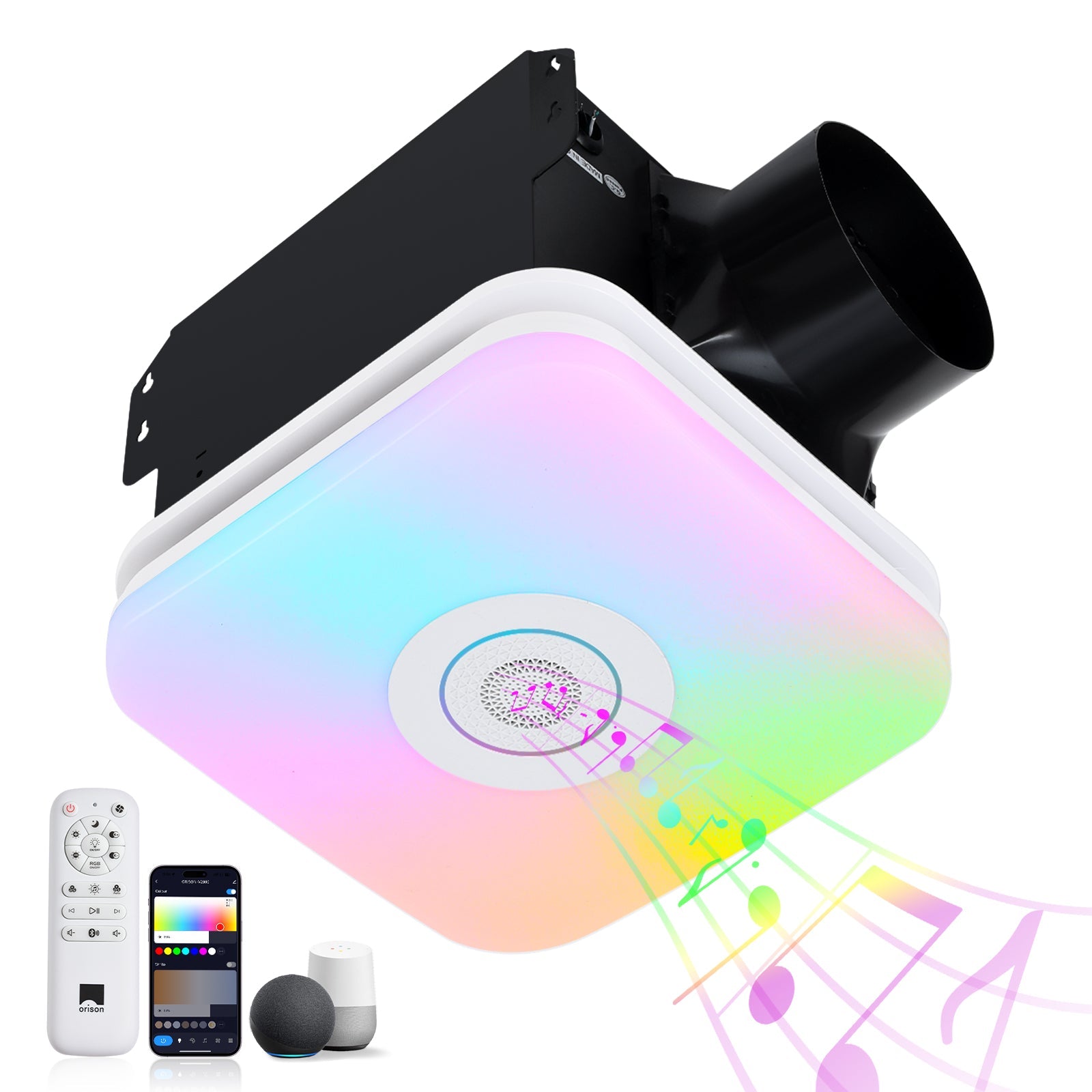
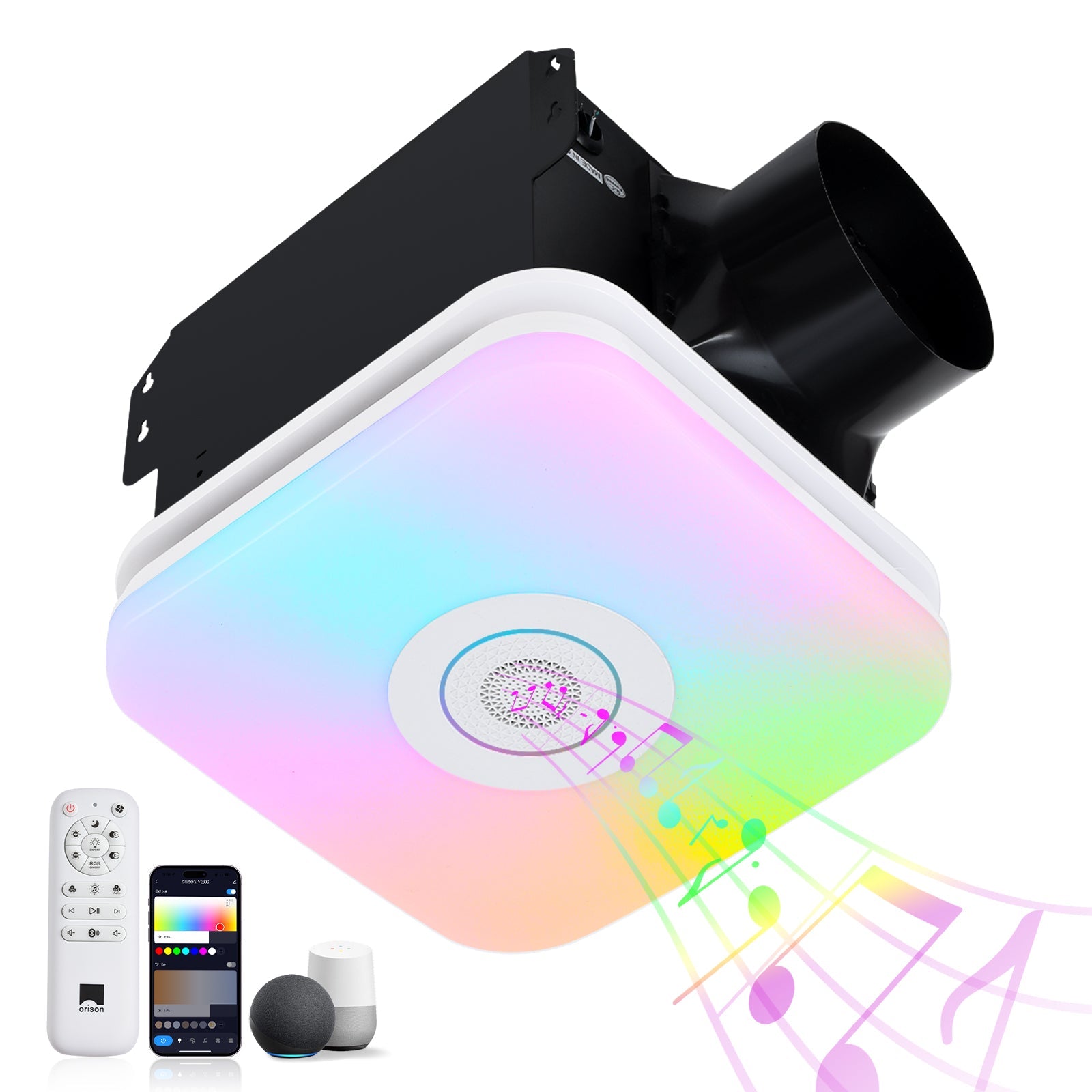
If you’re fitting out a bathroom that must balance moisture control, neat aesthetics and a bit of entertainment — yes, it’s a thing now — a good bathroom exhaust fan with the right integrations can make life simpler. Homeowners care about measurable airflow (CFM), low noise (sone), and reliable connectivity; installers want clear ducting runs and standard mounting. If you’re curious about an exhaust fan with speaker, this piece walks through the practical trade-offs so you don’t end up chasing features that don’t fit your home or budget.
User needs first: what to map before you buy
Start by answering three plain questions: how big is the room, what’s your tolerance for noise, and will you use smart features day-to-day? Measure the bathroom volume to size the fan (CFM matters here). Check whether your ceiling cavity allows straight ducting or forces bends that reduce performance. Think about controls — will you need a motion sensor, timer, or Bluetooth audio? These choices shape whether you need a simple axial fan or a more capable centrifugal unit, and whether the unit should have an IP rating for wet areas.
Comparing performance vs convenience
Performance is about moving moist air quickly and quietly. Convenience is about simple pairing, sensible controls and serviceability. Look at:
– CFM rating versus room volume (a 6 m² bathroom usually needs ~50–80 CFM).
– Noise in sones, not just marketing words like “whisper-quiet”.
– Ducting diameter and whether a backdraft damper is included.
– Speaker specs: Bluetooth range, codec support, and whether audio compromises airflow or increases heat in the motor compartment.
Many models balance these differently. A high-CFM unit might be louder but clear steam fast. A lower-CFM smart unit with a built-in speaker gives convenience and music but can struggle if ducting is poor.
Real-world anchor: lessons from Cape Town and installations that matter
South African homes — particularly in coastal Cape Town — taught us practical lessons during the 2018–2019 water crisis: people showered differently and bathrooms stayed damper for longer. That period flagged the need for reliable ventilation and systems that encourage short, effective ventilation cycles. Installers there began prioritising correct ducting length and sealing to avoid long-term mould issues. The takeaway: a clever app or built-in speaker is nice, but proper airflow and a sound motor bearing are non-negotiable for durability.
Common mistakes homeowners and installers make
Don’t skimp on the simple stuff — it bites later. Typical errors include:
– Buying by look alone and ignoring CFM/ducting compatibility.
– Assuming all “quiet” fans are equal; check sone ratings.
– Installing a speaker-heavy unit without planning for ventilation maintenance access.
– Overlooking electrical load and IP rating around showers.
One fix is to mock-up the duct run before purchase and to request a service panel in the spec. Also — ask for a noise spec in sones, not marketing copy.
Alternatives and when they’re better
If you want top airflow and don’t care about audio, go for a high-efficiency centrifugal fan with good ducting. If you want ease of use and occasional music while shaving, a compact unit with Bluetooth and integrated speaker will do. Hybrid models target both, but check that the speaker doesn’t share the fan’s cooling path — heat can shorten speaker life. For humidity control only, simple timer fans with humidity sensors are the most cost-effective.
Quick checklist for buying and installing
– Confirm CFM for room volume.
– Match duct diameter and minimise bends.
– Verify sone rating for acceptable noise.
– Check IP rating for wet zones and electrical compatibility.
– Ensure the speaker is serviceable and isolated from motor heat.
Summary and practical verdict
People want airflow that clears steam fast, noise that doesn’t startle, and smart features that actually simplify life. You’ll save time and money by specifying CFM and ducting up front, asking for sone numbers, and choosing a unit with a sensible IP rating and accessible service panel. If you live in a coastal or water-stressed region, prioritise airflow and sealing — smart features can come second.
Golden rules for choosing the right unit
1) Measure first, buy to spec: size by room volume and ducting constraints — CFM and duct length determine real performance.
2) Demand clear noise and durability data: insist on sone ratings, motor bearing type, and an IP rating that matches installation location.
3) Value practical integration over bells: choose smart audio only if the speaker is serviceable, isolated from motor heat, and the control system won’t complicate maintenance.
For many homeowners the simplest route to a well-balanced, integrated solution is to consider installed systems from reliable providers — often these are engineered with both airflow and smart features in mind, and they account for local installation practices. Orison. —