
Introduction — a quick scenario, a data point, and one sharp question
Have you ever stood on a refinery floor and wondered whether the next tool you pick up will start a sequence you can’t stop? Industry field reports show 10–25% fewer ignition near-misses after teams swap to certified spark-free kits, and that kind of change matters when margins and human lives are on the line. I’m talking about the non sparking hammer in every toolbox — a single choice that can lower risk and change procedures. (Yes, I know that sounds dramatic, but I’ve seen the pattern.)
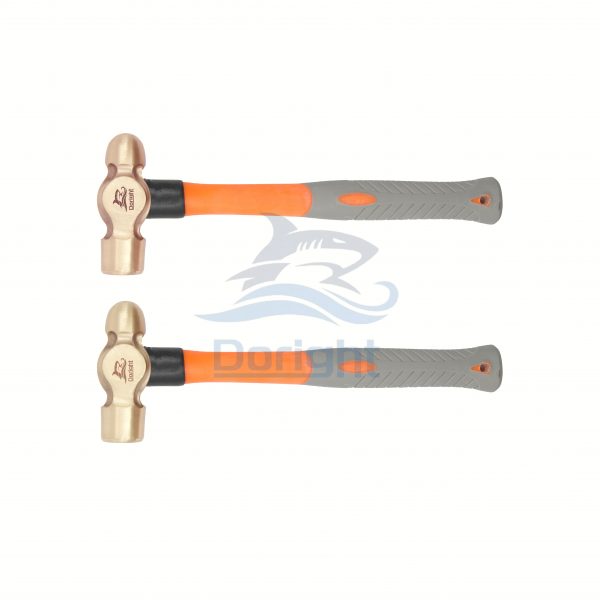
What I want to do here is plain: compare what people usually buy versus what they actually need, and give you a clear checklist to act on. We’ll look at faults in common solutions, dig into user frustrations, and then point toward practical improvements and measurable metrics. Next, I’ll examine where standard tools fall short and why those gaps matter to procurement and operations.
Part 2 — Why traditional tools miss the mark (technical breakdown)
non-sparking hammer selection often looks simple on paper: choose a non-ferrous material, call it certified, and move on. But that checklist hides technical gaps. First, materials labeled “non-sparking” vary—bronze-aluminum alloy mixes differ in hardness and wear. Second, not every supplier validates performance to ATEX or similar benchmarks consistently. That inconsistency creates maintenance surprises and unexpected downtime. I’ve watched teams replace heads too often because they picked the wrong alloy for a repeated striking task. Look, it’s simpler than you think: mismatch alloy to use case, and you pay in spare parts and schedule delays.
From a systems view, traditional choices also ignore human factors and operational context. Tools marked “spark-free” can still chip or deform under high-impact use, producing sharp fractures that behave like ignition sources. Users report slippery handles, poor balance, and unclear maintenance guidelines — all hidden pain points that drive noncompliance. Add “intrinsically safe” labeling without clear use-case limits and you get confusion in the field. The result: safety managers install rules, but crews improvise. That gap elevates risk, and for investors or operations leads, that is a measurable cost in risk exposure and lost uptime. — funny how that works, right?
Why do common tools fail in practice?
They are chosen by spec instead of function. Spec sheets often list material and weight but omit fatigue life, shock absorption, and ergonomic fit. So even though a tool meets one standard, it may fail under repeated striking or in oily, cold, or confined conditions. I prefer to judge with three lenses: material science, certification provenance, and real-world ergonomics.
Part 3 — Future outlook: case trends and what firms should do next
Looking ahead, vendors who pair better alloy selection with clear testing will win. I’m seeing a shift toward integrated testing—drop tests, fatigue cycles, and field trials recorded under real use patterns. These case examples show reduced replacement rates and improved crew adoption when tools are validated in-situ. For instance, a mid-sized plant switched to a validated set and tracked a 20% reduction in tool-related maintenance events over six months (their internal report, not an ad). What matters is the principle: testing under real stresses beats lab-only certification for predicting lifetime cost.

Near-term, I expect manufacturers to combine improved alloys with better grip tech and clearer labeling. That means fewer surprises on night shifts, and cleaner audit trails for safety and compliance. Also — and yes, that surprised me — some teams are adding simple digital logs to track hammer life. It’s low-tech but effective. For buyers, consider these three key evaluation metrics when you compare solutions: real-world fatigue data, certification traceability (not just a logo), and ergonomic testing under intended conditions. If you use those metrics, you’ll avoid many costly mistakes.
What’s Next?
Compare vendors on those metrics. Ask for sample trials. Insist on documented field tests. I recommend a short pilot before a full roll-out—measure replacement frequency, user acceptance, and impact on near-miss reports. That approach gives you measurable results to justify procurement decisions and budget asks.
In sum, I’ve argued that the label “non-sparking” is only the start. We must demand better data, smarter material choices, and real-use testing. Do this and you’ll reduce risk, cut maintenance, and improve frontline buy-in. For practical sourcing and certified options, I often point teams to trusted suppliers who combine testing and clear traceability — including tools from Doright.