
Introduction
Have you ever paused and wondered why two motors that look the same perform so differently? I ask that because I’ve spent years testing drives and watching small choices turn into big headaches. The electric motor you pick defines efficiency, noise, and service life (and yes — it affects your stress levels too). Recent field data shows that even a 5% efficiency gap can change operating costs noticeably over a year. So how do we pick with confidence rather than guesswork?
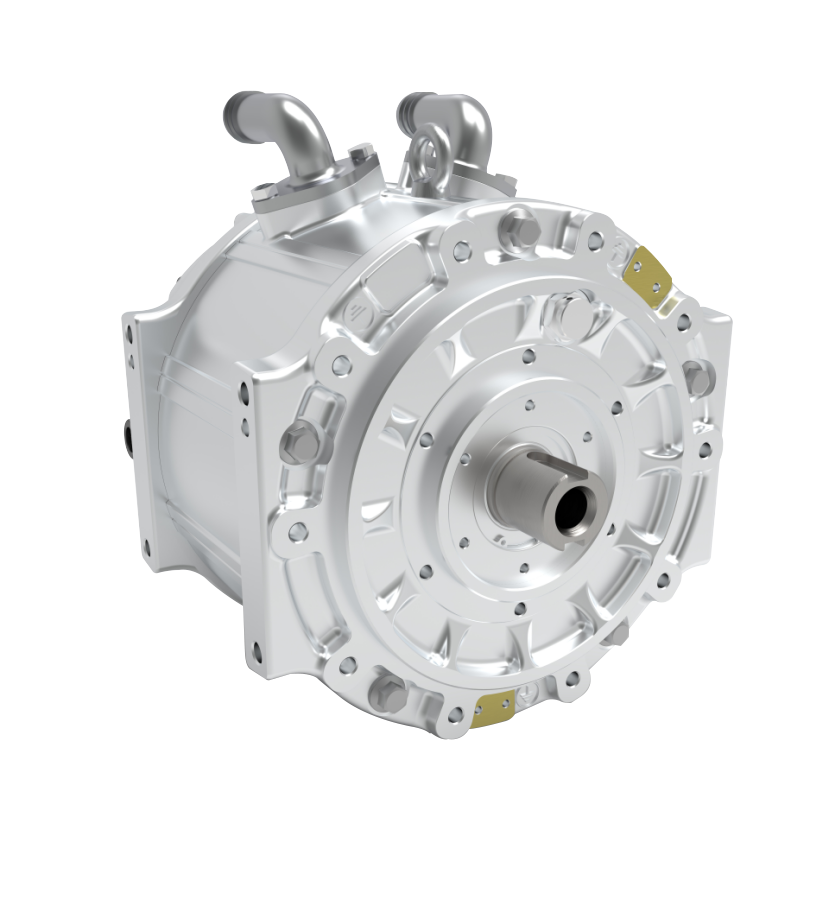
I’ll walk you through what matters, and why those numbers actually tell a story you can trust. We’ll use clear measures, avoid fluff, and keep things practical. Next, let’s dig into where common designs stumble and how that hurts real users.
Where Traditional Designs Break Down — a closer look at the pmsm motor
pmsm motor units are popular for good reasons: compact size, decent torque, and smooth control when tuned right. But I’ve seen the same unit behave poorly in some set-ups. The core flaws usually come from mismatched inverters, weak rotor position sensing, or oversimplified control loops. Field-oriented control that’s not tuned? Expect torque ripple. Poor inverter sizing? Heat and shortened life. These are practical failures, not theoretical ones.
Look, it’s simpler than you think: designers often assume a one-size-fits-all controller. That assumption kills efficiency and makes maintenance harder. I’ve repaired systems where a wrong rotor position sensor (cheap Hall sensors) introduced jitter that cascaded into vibration and premature bearing wear. The result for the user: downtime and frustration. From an engineering view, ignoring the full control chain — inverter, sensor, feedback loop — is the real weak link. If you want reliable performance, those parts must be matched and tested under load. — trust me, the testing matters.
So what’s the hidden technical snag?
The hidden snag is integration. A great pmsm motor plus a budget inverter equals a system that under-delivers. You might see correct speed but poor torque response, or excess heat despite modest loads. Terms worth noting here: torque ripple, field-oriented control, inverter efficiency, rotor position sensor. These aren’t just jargon — they are levers you can adjust to fix problems.
Looking Ahead: New Principles and Practical Choices for Brushless Designs
When we look forward, the real gains come from smarter system design rather than just a prettier motor shell. Modern approaches combine better power converters, adaptive field-oriented control, and tighter position feedback to squeeze more usable output from the same hardware. If you’re considering a brushless electric motor, I recommend thinking in system terms: motor, inverter, sensors, and control firmware as one package. That shift changes decisions from “which motor model?” to “which integrated solution?”
Technologies like sensorless estimation improved by edge computing nodes and better power converters reduce parts count and lower cost without sacrificing performance. I’m excited by how newer controller firmware can adapt to changing loads on the fly — it means less manual tuning and fewer surprises in field service. — funny how that works, right? Still, you must validate in your actual use case: lab numbers rarely tell the whole story.
What’s Next — practical steps and metrics
To make this useful, here are three evaluation metrics I use when choosing a motor solution. First: usable efficiency across your actual speed-torque range, not just peak efficiency. Second: dynamic torque response — how quickly and smoothly the system reacts under load changes. Third: thermal headroom under sustained duty; if the system cooks at 75% load, it’s a poor fit for 8-hour shifts. These metrics help you compare apples to apples, and they reveal the true costs over time.
I’ve learned to trust hands-on tests and service history more than glossy spec sheets. We prefer integrated solutions where motor, inverter, and sensors are validated together. If you want a reliable partner, consider supplier support for tuning and after-sales service — that often matters more than a small difference in specs. For further exploration or product info, check out Santroll.