
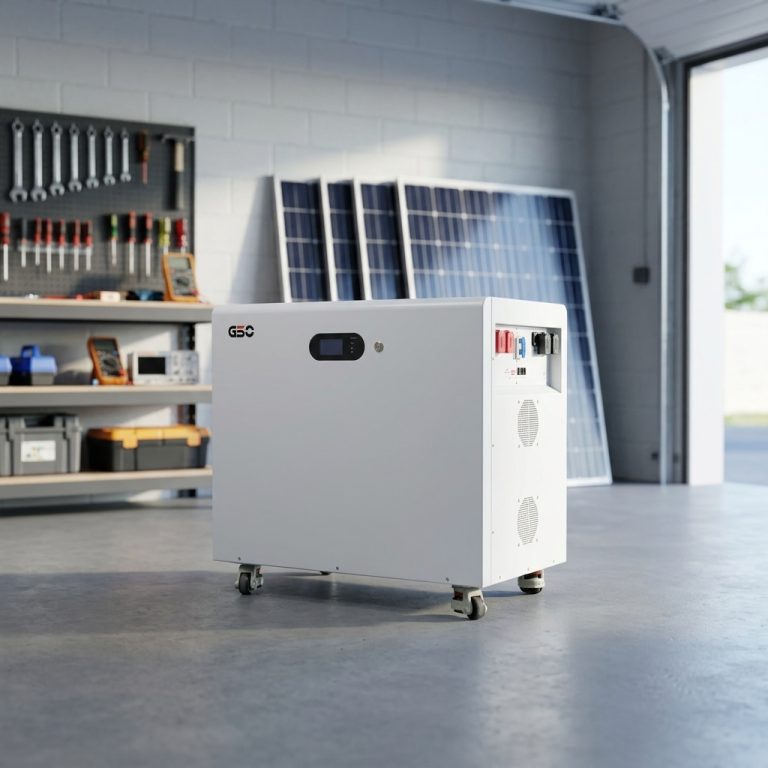
Identifying the core problem
Containers arrive. Paperwork waits. Then the pack sits. This is the problem: mass-produced lithium-ion solar packs sell fast but move slowly through ports and customs. For fleets of a battery backup for home and larger commercial cells like a solar battery bank for home, delays mean missed seasons and stranded inventory. The stakes are clear after events such as the Texas February 2021 winter storm, when rapid demand for backup power outpaced logistics and supply chains tightened—an industry lesson carved into routines. A tight focus on battery capacity, BMS rules, and hazardous-goods paperwork fixes most choke points.
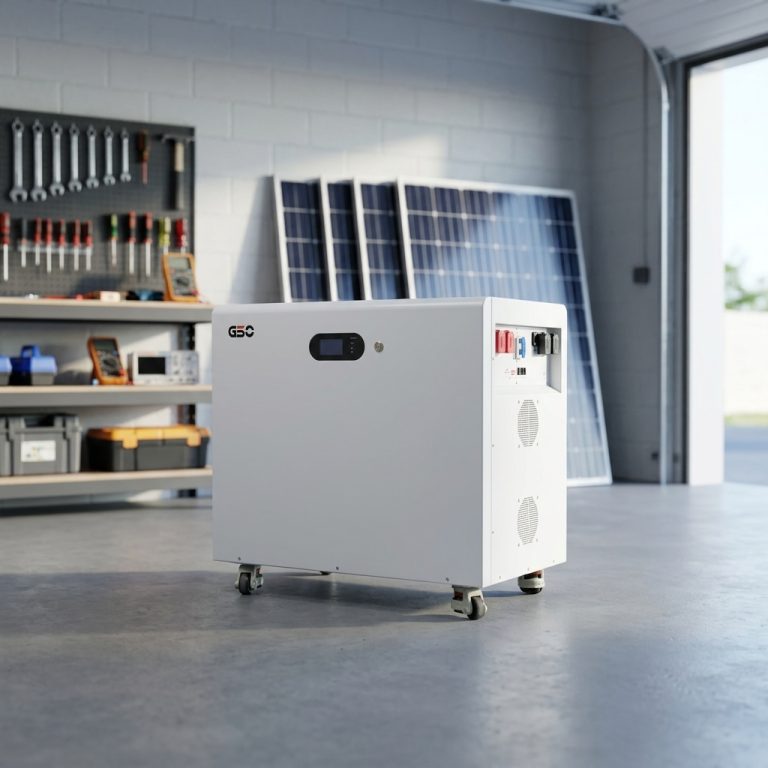
Where shipments actually stall
Three places trip the process: documentation, compliance, and physical handling. Documentation hides small but critical items—state of charge limits, UN numbers, manufacturer declarations. Compliance differs by flag, by carrier, by port. Handling is brutal if crews don’t treat modules like sensitive electronics; an improper lift or stacked pallets can trip an inverter warranty claim downstream. The result is not just delay. It is cost multiplied.
Packaging, testing, and the sea route that works
Packing for ocean freight must feel like a secret kept safe. Cells should ship with certified test reports, clear labels, and foam designed to control crush and vibration. Use palletized units rated to the ship’s lashings; pair the battery pack with an isolation switch and clear BMS documentation. Consolidate shipments to reduce handling steps. Choose route windows that avoid peak port congestion and extreme weather lanes—predictability matters more than speed when the product is hazardous.
Operational tactics that save days — and dollars
Start with forward paperwork—submitted days before vessel arrival. Pre-book safe berth slots and confirm battery-specific stowage plans with the carrier. Where legal, opt for RoRo or breakbulk when container rules add paperwork delays. Track shipments with GPS and chain-of-custody logs to spot deviations early. —Small checks on arrival save repacking or re-testing later.

Common mistakes and viable alternatives
Many teams assume a single certificate covers every jurisdiction; it rarely does. Another error: pushing for the cheapest container option and then paying for expedited rework. Alternatives: modular crate systems that pass multiple port checks, and partnering with freight forwarders who specialize in lithium transport. On the product side, consider pre-approved rack-mounted units that reduce on-site installation time and simplify customs clearance for installers used to handling an inverter and the rest of a rooftop kit.
Advisory: three golden metrics for selection
1) Clearance lead time: measure average days from vessel arrival to release at your busiest port. Target under 5 days for mass shipments. 2) Incident rate per 1,000 units: track handling damages and customs holds; aim for under 2 incidents. 3) End-to-end visibility score: percent of shipments with GPS plus documented chain-of-custody—seek 95% or higher. These metrics reveal whether a partner controls risk or merely shifts it.
Closing evaluation and next steps
Implement packaging standards, lock in pre-arrival documentation, and test route options in low-volume trials before full rollout. Suppliers who bundle certification, transport know-how, and scalable packaging cut weeks from the calendar and protect warranty exposure. Consider alternative suppliers and shipment modes during pilot phases to compare real costs, not estimates.
gsopower. —