
Introduction: Defining the Real Bottleneck
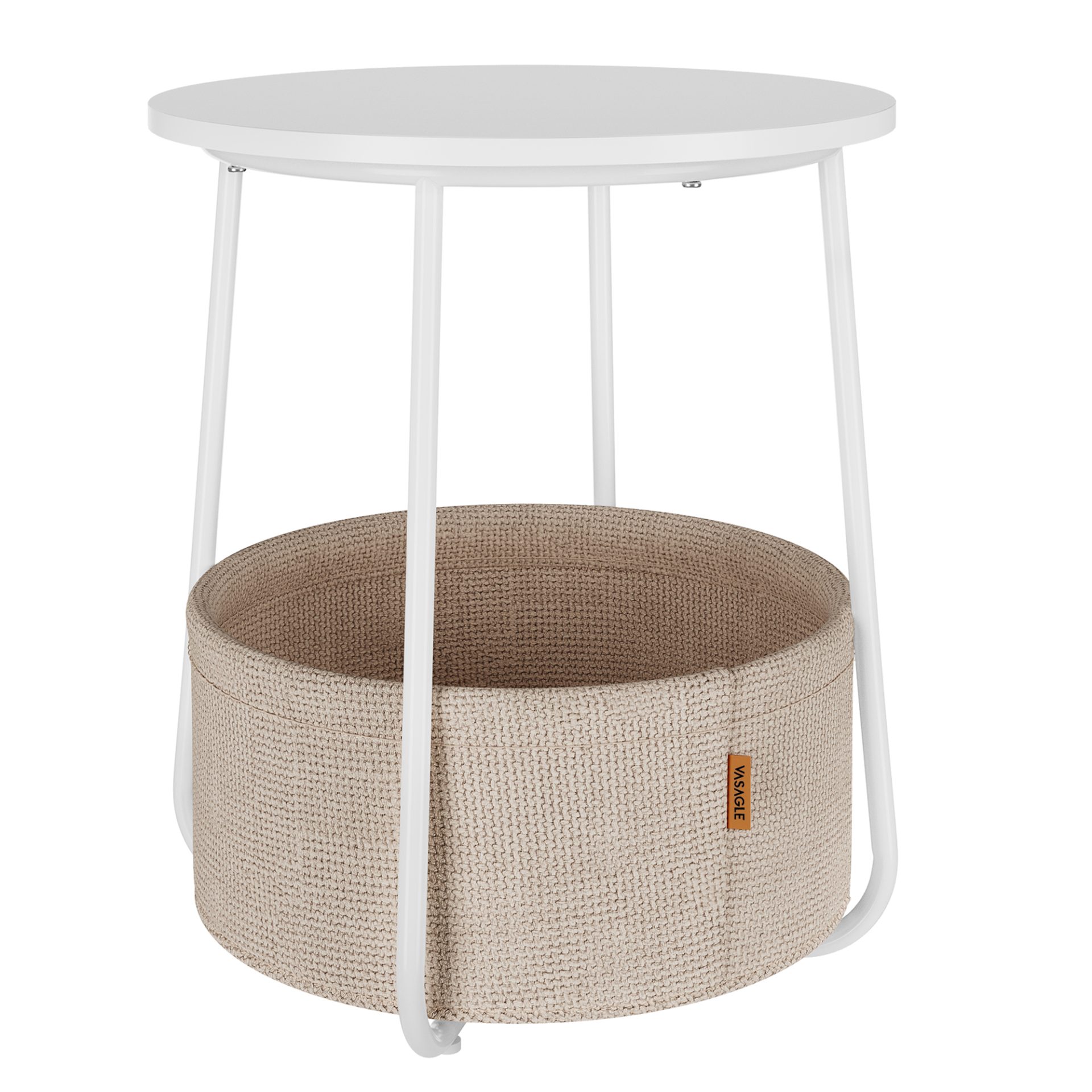
Technical clarity helps: most side table delays are not caused by slow assembly lines, but by mismatched decisions upstream—materials, tolerances, and data flow. In this space, end table manufacturers sit between trend speed and retail risk, balancing both under tight timelines. A recent mid-market survey showed that 37% of late launches traced back to specs lost in handoffs, not to factory capacity. So, the core question is simple: where do these gaps hide and how do we close them without driving cost up?
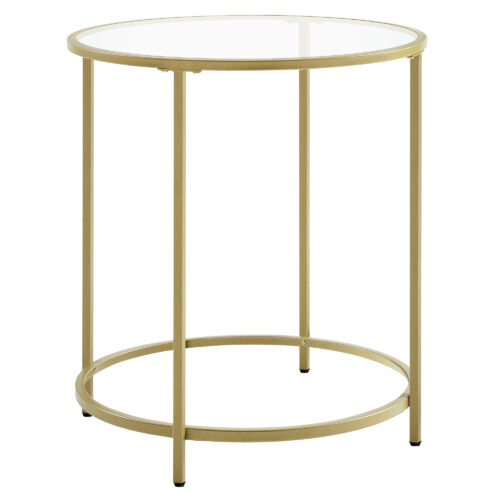
(Think short life cycles, mixed finishes, and fast planograms.) If we unpack the issue with calm rigor, we can see patterns you can act on today. That is where a comparative view pays off—between what teams think is the bottleneck and what actually stalls the rollouts. Let’s move from symptoms to root causes.
Hidden Pain Points That Derail Production
What are we missing?
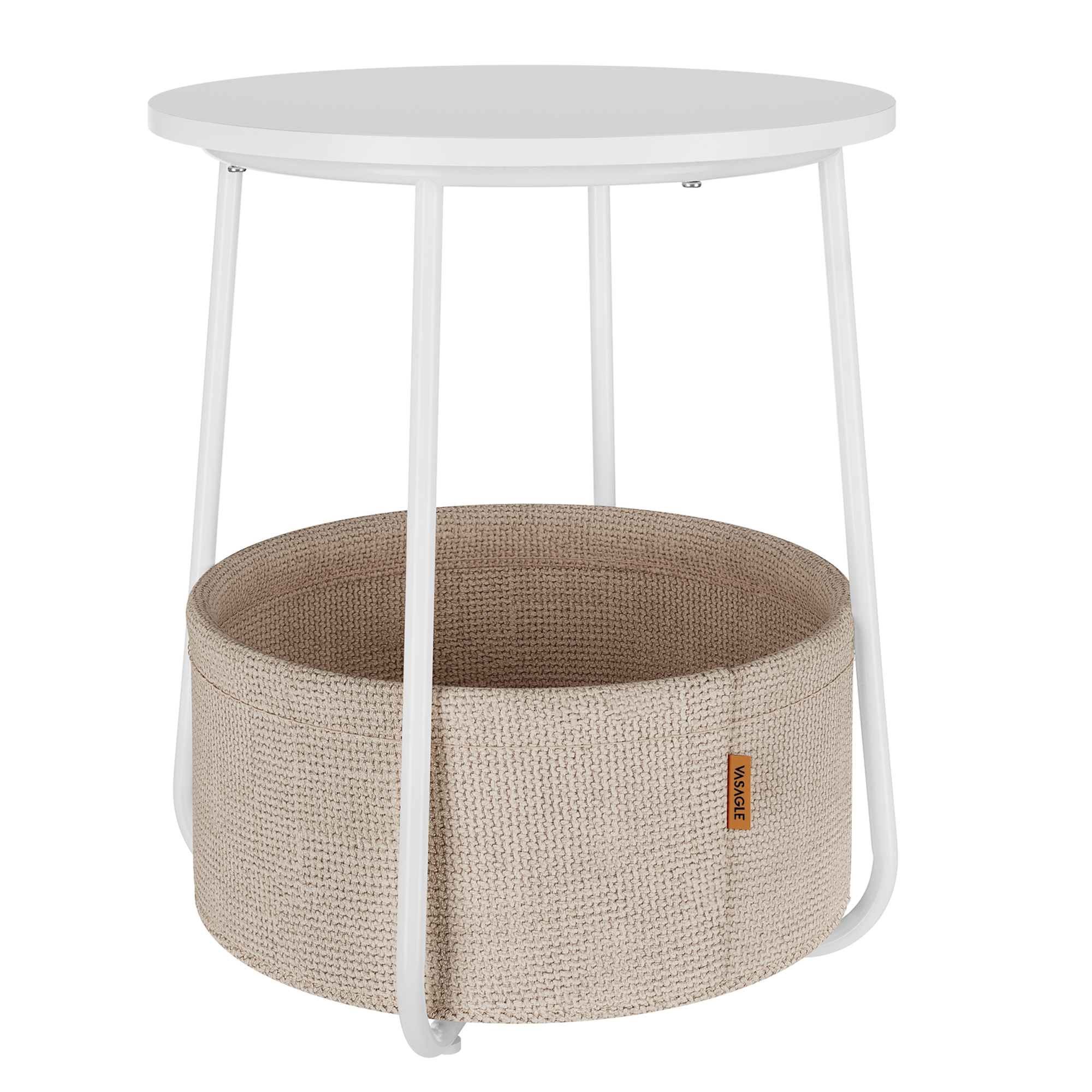
A side table manufacturer often hears, “Just repeat last season’s base with a new top.” Direct, right? Yet customers notice wobble, micro-scratches, and shade shift before they admire the style. Look, it’s simpler than you think: small flaws stack. A 0.5 mm variance at leg joints plus a soft substrate equals a table that hums under load. Traditional fixes—more glue, thicker pads—mask the issue. They don’t solve joint geometry, torque distribution, or finish hardness. And when product pages promise 25 kg load, a weak cross-brace will tell on you.
There are deeper signals buyers never say out loud. Edge chips show up after two moves. Powder-coated frames mar when cartons flex. UV-cured coating looks even in the lab but yellows near a window. Old methods assume linear safety margins; retail life is nonlinear. You also get data latency: ERP entries arrive after freight books, so you miss the chance to re-route SKUs. Lightweight fixes exist—CNC routing for true angles, better cross-doweling, and faster in-line load testing rigs—but teams delay them to “save time.” That delay costs more returns than the upgrade would. Add two quiet tools and watch stability jump: torque testing on every nth unit and simple FEA checks on the stretcher bar. Small steps, big lift.
Comparative Insight: New Technology Principles for Faster, Cleaner Rollouts
What’s Next
To move faster without noise, switch from reactive checks to principle-based controls. Two ideas help. First, digital twins for the frame: a light model with real fastener specs and density ranges. It flags racking under side load before you cut wood. Second, sensorized pilots. Low-cost strain gauges on the stretcher during pre-run trials show peak stress zones in minutes—funny how a $30 sensor can save a quarter’s worth of returns, right? Pair that with staged finishes: seal, UV-cured coat, then a thin anti-mar topcoat for carton rub. The stack resists scuff while staying lean. For buyers sourcing a wholesale end table, these principles change the conversation from “Is it cheap?” to “Is it stable per kilo and per mile.”
Bring in practical tech, not hype. Edge computing nodes on pilot lines can log torque, clamp pressure, and humidity right at the cell—no bulky servers. Small power converters keep sensors running on standard outlets. The result is traceable proof, not guesswork. Compare two paths: Path A increases leg tube thickness by 10% to “feel safe.” Path B keeps tubes light but improves joint interference fit and adds a single cross-dowel. Path B weighs less, ships better, and passes the same side-load test. That is how you beat hidden pain points without bloating BOMs—clean principles, measured outcomes, fewer surprises (and fewer claims).
To close, use three evaluation metrics when choosing methods or partners: 1) Deflection per kilogram under 200 N side load, measured on the top panel edge; 2) Finish mar rating after 50 carton rub cycles at 5 N; 3) First-pass yield with joint torque variance under ±5%. Track these and you will ship on time and sleep better. For steady context and deeper benchmarks, see SONGMICS HOME B2B.