
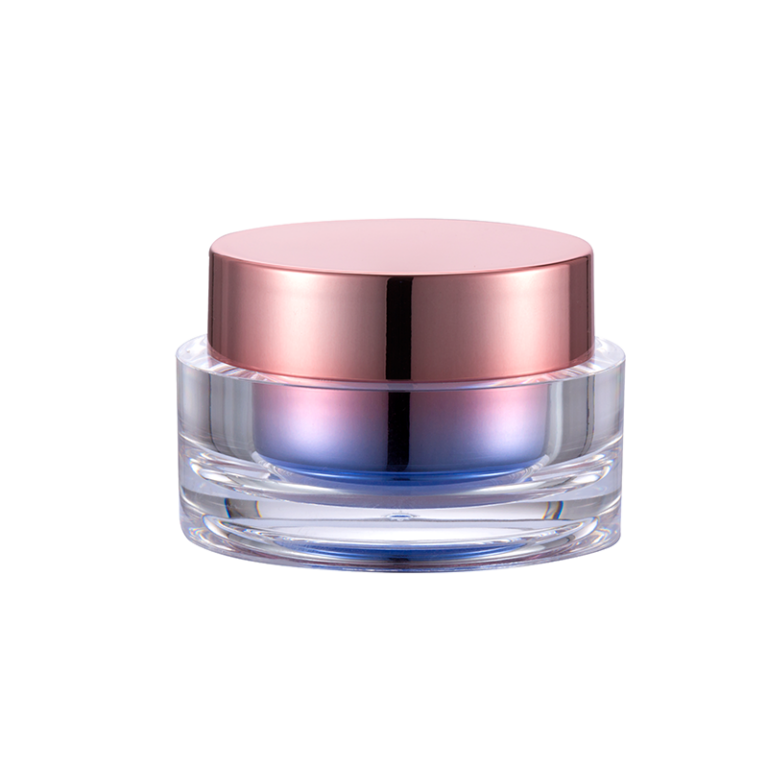
Opening Scene: The Night the Jar Decided Your Launch
You are backstage, ten minutes to go, and the testers start to whisper. The acrylic cream jar looks perfect under the lights, but two units leak under a quick twist. Your buyer texts a note about “consistency” and your gut drops—funny how that works, right? Last season, returns spiked by 18% after a small thread mismatch. This season, a large retailer demands proof of seal integrity and a torque test report. So, what now? Is it the cap, the liner, or the molding spec? In fast beauty, small defects grow large.

Your acrylic cream jar, from an acrylic cream jar manufacturer in china, may be built to spec, but specs do not tell the whole story. Tolerance stack-up across the jar, the cap, and the liner can turn a clean design into a drip. PMMA walls can flex when the shelf gets hot. A drop test can pass once and fail again after transit. Data says up to 27% of leakage complaints trace to thread pitch variance alone. But the moment is here. Do you gamble on a second batch, or change the play?
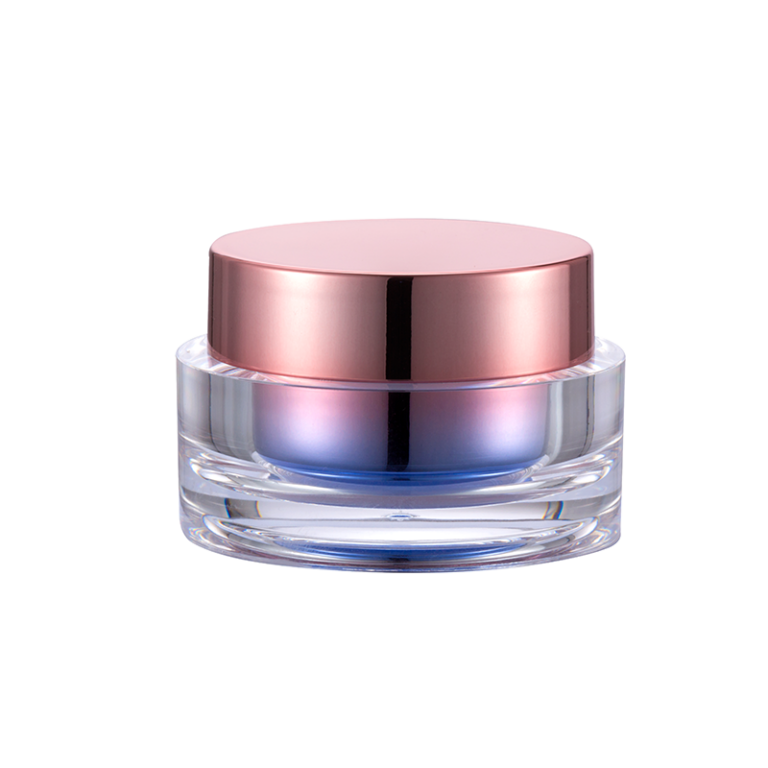
Let’s move from the stage light to the workbench, and break down where the usual fixes fall short.
Part 2: The Deeper Fault Line No One Sees
Where do hidden costs creep in?
Earlier, we framed the scene. Now let’s get technical. Most “quick fixes” target the lid. Swap the liner, tighten torque, add a tamper band. Look, it’s simpler than you think—and sometimes not. The real fault line often sits in the tool: injection molding wear, micro burrs in the mold cavity, and uneven cooling that skews the thread profile by fractions. Those tiny shifts amplify when the cap meets the jar. That is tolerance stack-up. It pushes seals off-axis, even when each part “passes” alone. UV coating and vacuum metallization can also add microns that change thread engagement. One micron here, one degree there, and now your seal fails after transport. And yes, you can feel it in hand—the cap snaps a hair too early.
Hidden pain points come from process drift. Day 1 and Day 20 are not twins. Resin moisture shifts. A tool steel insert heats up. QC pulls samples on the hour, but shipment boxes move in waves. When the line speeds up, thread pitch variation grows. When cooling dips, warpage rises. And then the brand pays for rework and reboxing. Direct fix? Demand statistical process control at the cavity level, not only per batch. Ask for cap torque curves across time, not just one number. Require a seal integrity test after vibration. Traditional “OK-to-ship” checks miss these cross-part dynamics. They measure parts; they don’t measure the system. That gap is where cost hides—and where reputation leaks out.
Part 3: Forward View—Principles That Keep the Seal (and the Story) Intact
What’s Next
Here’s the shift. New technology principles can bring the pieces into tune. Inline vision systems can map thread pitch and ovality in real time. SPC at the cavity level can flag drift before a pallet leaves the floor. Digital torque profiling can track seal performance over a full rotation, showing when slip agents or surface energy are messing with closure friction. With a capable partner—say an acrylic cream jar supplier in china that runs cavity traceability—you can link every cap to a report. That means faster root cause work, less guesswork, and fewer “surprise” returns. Add controlled cooling and revised gate design, and you reduce warpage without chasing liners. Not flashy, but precise—and durable.
Next, materials. PCR blends and bio-based PMMA demand tighter profiles. They cool different. They move different. So the process must adjust: gate size, dwell time, and annealing. Induction-seal liners? Great, but only if the land area is flat and wide enough. Otherwise, the seal peels on the ride from plant to port—funny how transit finds every weak point. The comparative lesson from our earlier pain points is clear. Measure the system, not just the parts. Compare torque curves, not only torque values. Map seal integrity after vibration and heat soak, not only at room temp. To close this loop, keep three evaluation metrics in your pocket: first, variability per cavity over time (not just average); second, post-transport leakage rate at sample size N≥200; third, full-rotation torque curve shape, not only peak. Keep these, and the jar keeps your story tight. NAVI Packaging