
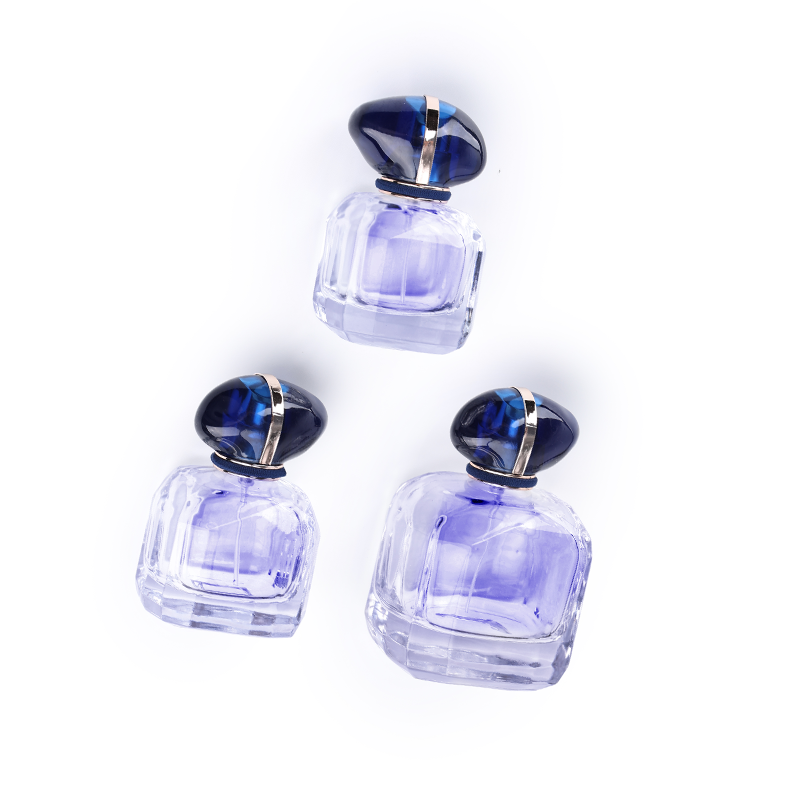
Introduction: The Choice That Shapes Your Launch
You are finalizing a fragrance launch, and the timeline is tight. Many teams turn to china perfume bottle manufacturers for speed, scale, and design flexibility. Recent industry audits show that even a small slip—one missed tolerance or a late deco step—can push launches back by weeks and cut early sell-through noticeably. So, where does the real risk live: in the supplier, the process, or in how we compare options?
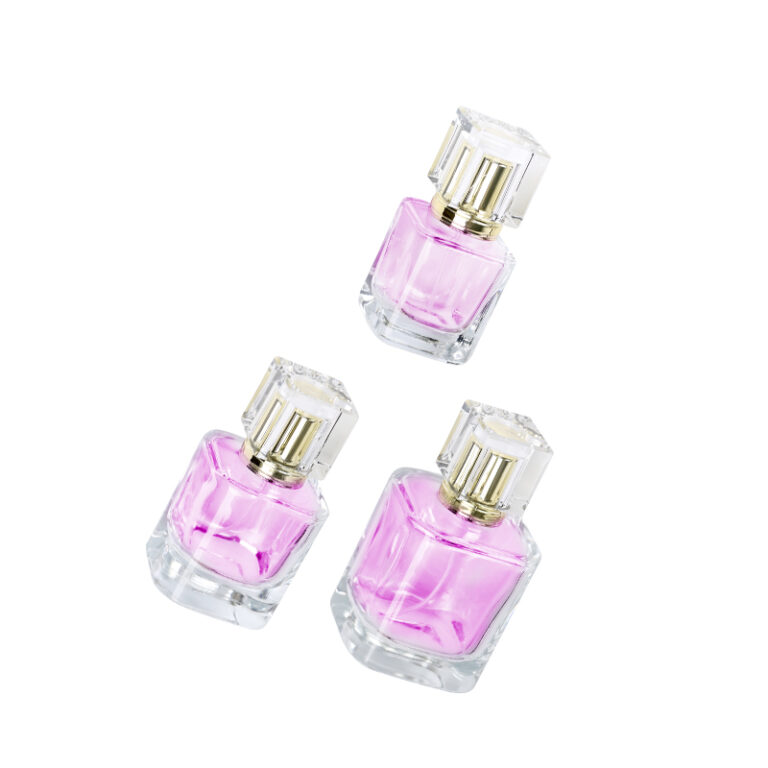
Here is the teacherly truth: you can reduce risk by comparing the right things, not just the price or catalog photo. Think about neck-finish accuracy, mold stability, and coating repeatability. These sit behind the glossy surface (and they decide your shelf story). Are you comparing like-for-like across capacity, QC method, and lead-time buffers—or are you trusting “similar” to mean “same”? Let’s unpack what gets missed and how to see it sooner—then move into the fix.
Hidden Gaps That Cost Time: What Your Comparison Might Miss
Where do delays really start?
When buyers evaluate china perfume bottle factories, they often weigh design, MOQ, and unit price. That’s a start, not the finish. Traditional spot checks and AQL sampling can hide run-to-run variance. Mold tooling drift can alter neck-finish geometry, leading to crimp pump mismatch and micro-leaks. In narrow neck press and blow (NNPB) lines, small weight swings shift wall thickness and cause breakage in the annealing lehr—funny how that works, right? Deco adds more risk: UV lacquering, silk-screen registration, and hot-stamp foil adhesion each carry their own failure modes that rarely show up in a single pre-production sample.
Look, it’s simpler than you think: map the chain. IS machine setup drives glass stability, which drives pump torque and leak-rate tests, which drive shipping claims. If you only compare quotes and a golden sample, you miss process capability. Ask for capability studies on critical dimensions, like GPI 15/415 or FEA-backed collar fit. Request REACH statements and batch traceability before PO, not after. And insist on crimp profile data tied to the actual pump spec. The flaw in the traditional approach isn’t intent—it’s the blind spot between “sample-perfect” and “mass-production real.”
From Gaps to Gains: What’s Next
Real-world Impact
Now shift the lens forward. New technology principles make comparisons more concrete and fair. Inline vision systems log neck-finish Cpk in real time; MES dashboards show deco dwell times and oven curves; digital twins of mold cavities predict drift before it hits the line. A strong perfume bottle supplier china will share anonymized line data, not just photos. Pair that with QR-based batch genealogy, and you can link a pump crimp issue back to a specific annealing window or screen ink lot—fast. This is not about “more data.” It’s about the right few signals: capability, stability, and traceability—delivered early.
Comparative insight improves, too. Instead of “Supplier A is cheaper,” you get “Supplier A holds a 1.33 Cpk on the neck ring; Supplier B holds 1.67 and shows lower torque scatter.” Instead of “Lead time is 40 days,” you see “P50 is 40, P90 is 48 with deco choke points.” Semi-formal, yes, but actionable. And decos? Vacuum metallization, frosting, and ion plating all have different rework profiles and scrap curves—choose the one aligned to your launch risk, not the prettiest sample. Short take: compare process, not promises—and let data shape your comfort zone (it will make life easier—promise).
Advisory close—three metrics to decide well: 1) Capability: demand Cpk on the neck finish and crimp land, plus leak-rate histograms tied to the actual pump. 2) Variability: ask for P50/P90 lead-time bands from glass through deco; smaller bands beat fast promises. 3) Compliance and lineage: full REACH/ROHS files and batch traceability that links glass melt, coating lot, and pump torque tests. Meet these, and you future-proof the launch while keeping creative freedom intact. For steady, knowledge-first collaboration, see NAVI Packaging.