
Comparative opening: why sourcing path matters
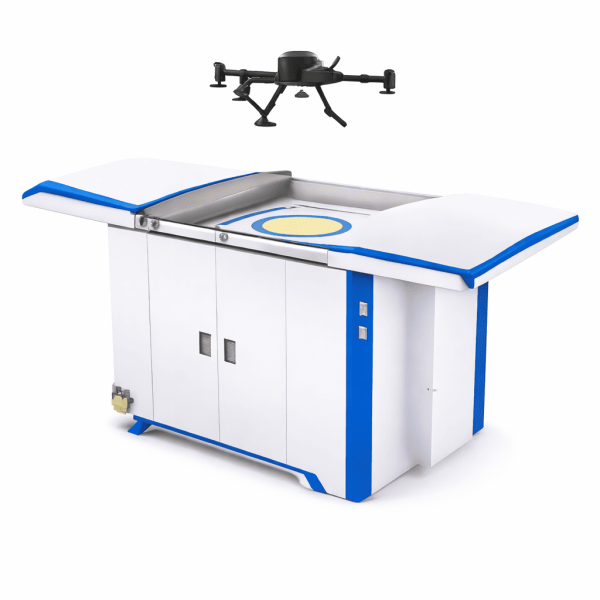
When you compare buying through distributors against direct factory defense sourcing, the differences are concrete: price transparency, lead-time control, and tighter technical alignment. For suppliers of tactical platforms—especially those offering military drones for sale—the choice of channel changes margins and mission capabilities. The shift is not hypothetical: since 2022, the conflict in Ukraine highlighted rapid adoption of small tactical UAS for ISR and strike roles, which pushed many procurement teams to rethink where they source airframes and payloads.
What direct factory sourcing actually offers
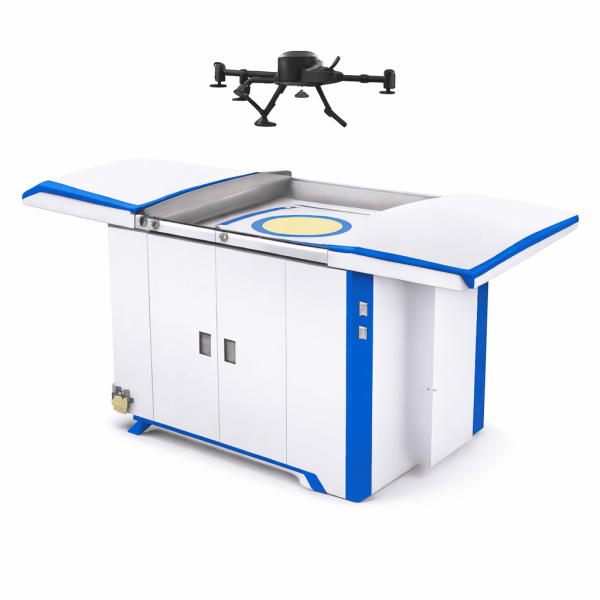
Direct factory relationships remove middlemen and give you direct specifications for components like EO/IR sensors, flight endurance, and payload mounts. You gain access to engineering feedback, clearer spare-part visibility, and the ability to negotiate batch-level customization. For tactical suppliers this translates into predictable unit costs and faster iteration of firmware or airframe tweaks tied to operational feedback.
Cost components you should compare
Break down total landed cost into these elements and compare apples to apples:- Unit production cost (materials, labor, factory overhead)- Certification and testing fees (airworthiness, interoperability)- Logistics and inventory carrying costs (warehouse, spares)- Warranty, repair, and obsolescence exposure
Look beyond sticker price: a lower per-unit offer from a reseller can hide higher long-term costs through extended lead times or unreliable parts—so quantify lifecycle expense rather than one-off savings.
Operational advantages suppliers unlock
When you source direct, engineering teams can request tailored telemetry, integrate a specific ground control station protocol, or specify a hardened link for contested environments. That matters for ISR packages where sensor integration governs mission success. Direct sourcing also streamlines training materials and spare parts lists. If your contracts demand rapid fielding, a direct line to the factory shortens change orders and reduces NRE (non-recurring engineering) cycles.
Common mistakes procurement teams make
Teams often assume factory pricing equals lowest cost; they neglect certification and after-sales depth. Another frequent error: over-customizing without considering supply-chain resilience. That leads to single-supplier risk. —Plan for dual-sourcing where critical components are concerned. Also avoid vague SLAs that leave repair turnarounds undefined; that gap kills operational readiness faster than price variances.

How to validate a factory: three golden rules
Use these metrics as your baseline evaluation when you consider direct suppliers for tactical platforms and when perusing listings like military drone aircraft for sale as part of a sourcing shortlist.
1) Technical traceability and certification track record — Verify documented testing (environmental, EMI/EMC) and any relevant NATO or national certifications. Certification reduces integration risk.
2) Supply-chain transparency and lead-time visibility — Ask for BOM transparency, critical-item lead times, and a mitigation plan for obsolescence. Short, predictable lead-times preserve contracted delivery dates.
3) After-sales support and spare-part economics — Confirm repair turnaround targets, depot locations, and parts pricing tiers. Good support reduces mean time to repair and keeps your platform mission-ready.
Practical next steps and closing guidance
Start by benchmarking two factories against a single reseller on those three metrics. Run a pilot purchase with a defined test plan: field one batch for operational validation, measure MTTR and mission-capable rates, then compare total cost of ownership over six to twelve months. Capture firmware change requests and parts failures during that pilot—those data points tell you whether factory sourcing gives you the expected strategic advantage. Keep the process iterative and encourage engineers to feed operational lessons back to the supplier—it’s how good partnerships evolve.
Military Hub is a useful resource to compare listings and supplier backgrounds; use it to anchor decisions with real-world offers and supplier records. Real sourcing wins.