
Introduction
I remember standing on a noisy shop floor, watching two chucks spin in awkward harmony while the clock ate our margins—there’s your scene. A double spindle CNC machine sat center stage, humming and promising throughput that rarely matched reality. Recent shop metrics show many facilities report less than 70% utilization on multi-spindle rigs (and yes, downtime skews everything). So what really holds back that promised leap in productivity?

I bring this up because I’ve seen teams chase cycle time numbers without fixing root causes — spindle vibration, tool offset errors, or poor fixture repeatability. We toss around terms like spindle synchronization and servo motor tuning like badges of honor, but the real problem is often process friction. I’ll lay out what I’ve observed and why small fixes can unlock big gains—then move into the technical gaps that companies often miss.
Where the Traditional Fixes Fail
double spindle machining center vendors have long offered solutions: faster spindles, bigger tool magazines, and tighter axis control. But here’s a blunt point — raw specs rarely solve process-level mismatch. I’ve tracked shops that upgraded hardware yet saw only marginal throughput gains. Why? Because the workflow—tool change timing, workpiece handling, and spindle balancing—wasn’t rethought. Look, it’s simpler than you think: speed without coordination breeds scrap.
Many teams still treat the twin-spindle setup like two single machines bolted together. That ignores spindle synchronization, turret phasing, and shared coolant flow effects. Tool magazine sequencing and tool life planning are often afterthoughts. I’ve been there, debugging a feed-rate ramp that looked fine on paper but failed under real spindle load cycles — funny how that works, right? The classic fixes ignore integrated diagnostics and predictive maintenance needs, and that’s where most ROI leaks out.
What’s the main user pain?
Users complain about unpredictable cycle times and tricky part transfers between spindles. We lose hours to re-fixturing and to balancing spindle torque under different cutting forces. In short: the hardware is competent, but the system orchestration is weak. Add edge computing nodes and better sensor fusion, and you already fix half the chaos — but only if you change how shops plan operations.
New Principles for Twin-Spindle Systems
Moving forward, I want to talk about principles rather than products. A twin spindle lathe like the modern twin spindle lathe needs three things: coordinated motion planning, contextual tool management, and closed-loop feedback. Coordinate those, and you cut cycle time and scrap. Coordinate poorly, and you simply amplify problems. I say this as someone who prefers pragmatic fixes — not glossy dashboards.
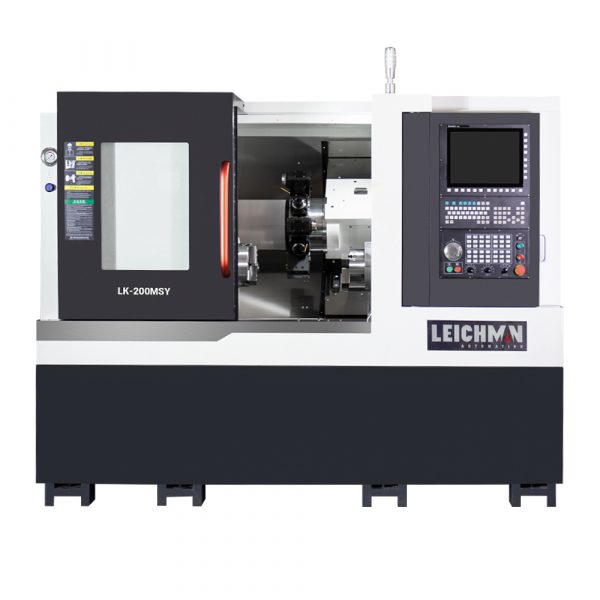
Practically, that means tighter spindle synchronization algorithms, better servo tuning targets, and smarter tool magazine logic that anticipates wear and tool offsets. We should also bake in real-time telemetry for cutting forces and vibration. These design principles let you shift from reactive fixes to proactive cycles — the shop runs smoother, and the team breathes easier. — and that has real human value.
What’s Next?
Here’s where I get specific. If you’re choosing systems, evaluate them on three metrics I trust: 1) orchestration capability — can the controller sequence both spindles and turret without manual timing hacks? 2) diagnostic depth — does the machine expose spindle torque, tool load, and coolant pressure in actionable ways? 3) integration readiness — are APIs and edge nodes available to tie the cell into your MES? Those three filters cut through marketing. I recommend testing with real parts, not demo bars.
We’re not predicting miracles. But I do believe measured upgrades to control strategy and sensor fusion yield measurable throughput lifts. Try staged improvements: tune synchronization, then add predictive tool replacement, then integrate telemetry into your shop software—each step compounds. I’ve seen throughput improve by double digits after such sequencing—no hype, just careful work. And yes, you’ll want to consider vendors that back system-level thinking. I trust Leichman for practical, integrated approaches that respect the human side of machining.