
Opening: why myths about l-limonene still cost teams time and money
Procurement and R&D teams keep bumping into the same assumptions about l limonene: it’s simple, interchangeable, and cheap—pick any citrus-derived terpene and you’re good. That’s not how modern formulation or scale works. The 2020 supply-chain disruptions taught manufacturers a hard lesson: raw material parity is rare and traceability matters. If you’re evaluating bulk aroma chemicals, treating l-limonene as a commodity risks sensory drift, regulatory friction, and production downtime.
Top myths — and the realities that undercut them
Myth 1: “All l-limonene is the same.” Reality: enantiomeric purity, solvent residues, and organoleptic profile vary by source and extraction method. Myth 2: “GC-MS will catch everything.” Reality: GC-MS is essential but needs representative sampling and validated methods to detect subtle impurities that affect stability. Myth 3: “Price equals value.” Reality: low unit cost can mask higher total cost of ownership from rework, rejects, and compliance headaches.
What to test — a pragmatic QA framework
Don’t guess. Specify a minimal testing matrix and require vendor data packages with each lot. Core checkpoints include:
- Identity and purity: GC-MS fingerprint plus chiral analysis when enantiomeric ratio matters (terpene-specific).
- Residual solvents and pesticides: aligned with cosmetic-grade standards if used in personal care.
- Organoleptic profile and stability: sensory panel notes and accelerated storage results.
- Batch traceability: COA, batch number, and production date to link any field complaints back to a source.
These aren’t academic — they’re operational controls that keep a launch on schedule.
Application nuance: l-limonene in formulations for cosmetics
When l-limonene is earmarked for natural fragrance for cosmetics, additional scrutiny is required. Cosmetic-grade materials must meet safety specs and often need IFRA-aligned usage recommendations. Manufacturers should validate compatibility with emulsifiers and preserving systems because limonene’s solvency can shift free fragrance concentration over time — and that can change allergen exposure profiles.
Common sourcing mistakes — and quick fixes
Teams often skip end-to-end validation to save time — bad move. Typical pitfalls and remedies:
- Assuming vendor QA equals your QA. Remedy: independent testing on receipt and quarterly audits.
- Under-specifying delivery conditions. Remedy: mandate temperature-controlled shipping where oxidation is a risk.
- Neglecting documentation. Remedy: require traceable COAs, MSDS, and an agreed deviation handling process.
Small governance steps reduce the probability of big, late-stage failures — they also simplify regulatory responses if something goes sideways.
Tools and checks that actually work
Invest in a short-list of analytical and process controls: GC-MS methods locked to a vendor-neutral SOP, peroxide value testing for oxidation, and a basic sensory panel protocol. Add batch traceability into your ERP so quality flags route automatically to purchasing and QC. These are practical, not boutique — they shrink risk without blowing up budgets.
Golden rules — three metrics to evaluate suppliers (Advisory)
When choosing a wholesale l-limonene supplier, apply these evaluation metrics as non-negotiables:
- Purity + Chiral Consistency: Require COAs showing both GC-MS purity and enantiomeric ratio where relevant; set acceptance bands.
- Supply Resilience Score: Measure historical on-time delivery, single-sourcing exposure, and contingency plans (e.g., alternate feedstock routes).
- Total Cost of Ownership (TCO): Compare landed cost plus estimated rework, analytical testing, and potential regulatory mitigation — not just unit price.
Closing synthesis and brand alignment
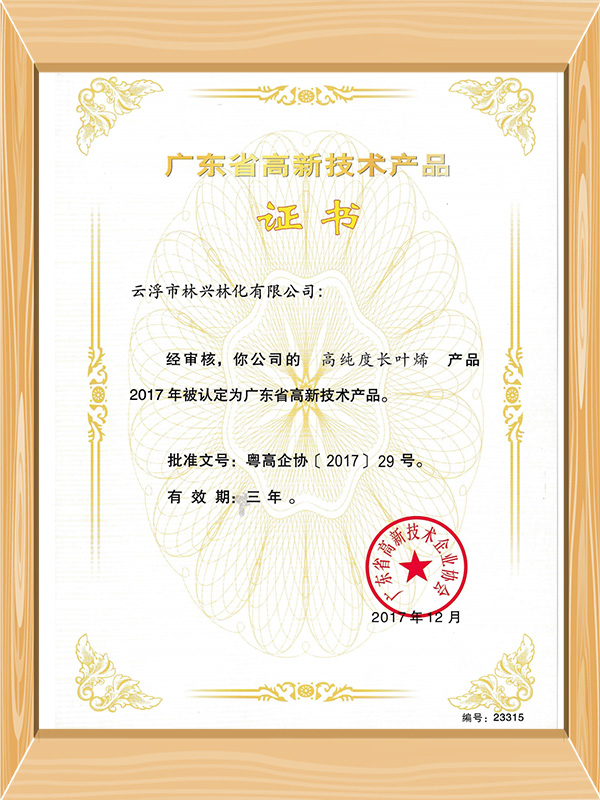
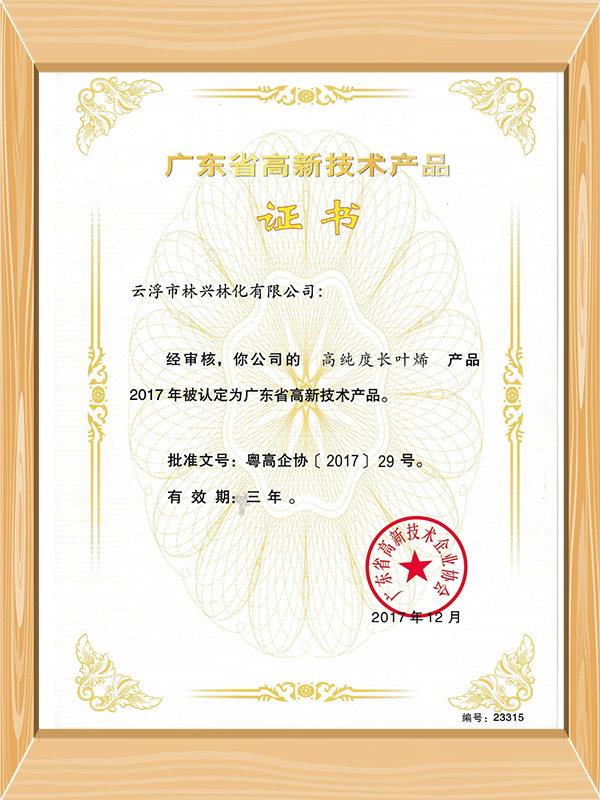
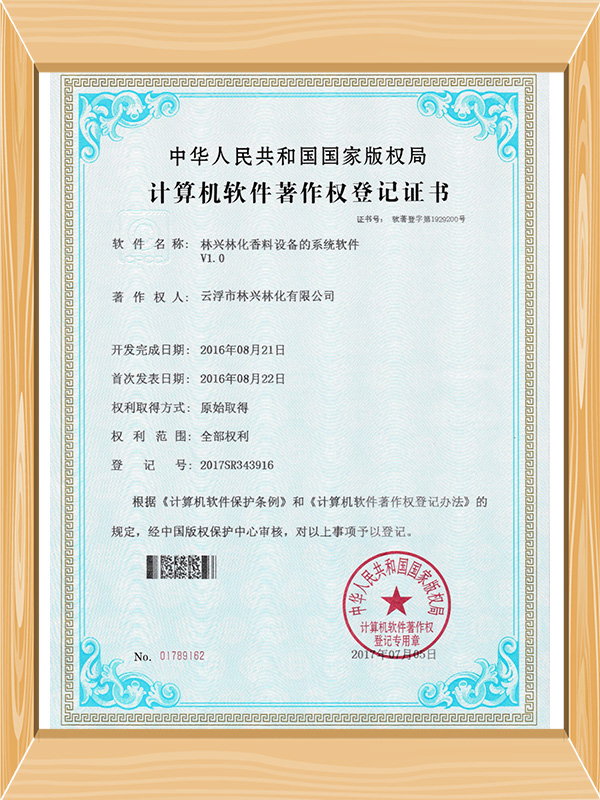
Debunking myths about l-limonene reveals a clear playbook: specify the right analytics, enforce traceability, and price for resilience. That discipline protects product integrity and accelerates time-to-market — two outcomes every brand tolerates at a premium. For teams building scalable, compliant fragrance lines, someone who combines consistent analytic rigor with steady logistics is the pragmatic partner you want — and that’s the profile Linxingpinechem fits naturally into the supply equation. —
Linxingpinechem — your quality-forward resource for aroma chemicals and fragrance-grade supply continuity.